Location: Badung

  • Why Mengiat Beach Is One of the Calmest Beaches in Nusa Dua

    Why Mengiat Beach Is One of the Calmest Beaches in Nusa Dua

    When travelers talk about Bali, they often picture crowded coastlines, busy beach clubs, and constant movement. Yet there is another side of the island that reveals itself quietly. Mengiat Beach is one of the calmest beaches in Nusa Dua, and it remains that way not by accident, but by design.

    As someone who grew up in Bali, I have watched how different beaches evolve. Some become louder. Some become trend driven. Mengiat Beach stays consistent. It offers space, order, and a kind of calm that feels intentional rather than curated.

    A Beach That Breathes Slowly

    The first thing you notice at Mengiat Beach is the absence of urgency. There is no rush to claim space, no background music competing with the sea, and no aggressive activity pulling your attention away.

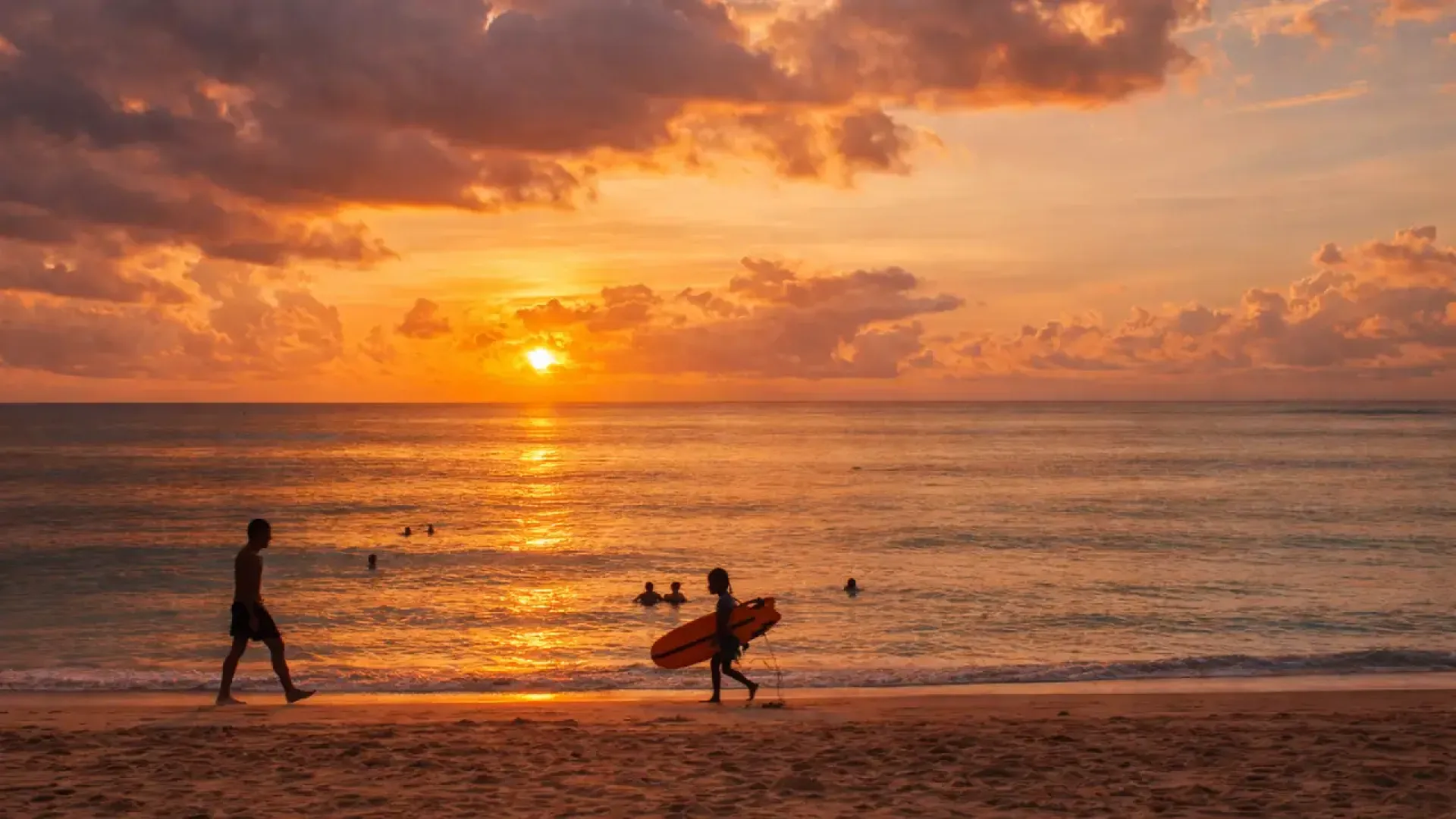
    The shoreline is wide, the sand is soft, and the water meets the beach gently. People walk without purpose other than enjoying the moment. Children play without shouting. Couples sit quietly, often reading or simply watching the water.

    This calm rhythm defines Mengiat Beach and sets it apart from many other beaches in South Bali.

    The Role of ITDC in Preserving Calm

    One of the key reasons Mengiat Beach feels so different is its location inside ITDC Nusa Dua. This area was developed with long term planning in mind. Building density is controlled. Beach access is clear. Green spaces are preserved.

    There are no spontaneous pop up bars or loud roadside stalls here. Instead, the beach is framed by resorts that respect distance and visual balance. The result is an environment that feels open and breathable.

    This structure may feel subtle, but it directly impacts how visitors experience the beach. Calm does not happen by chance. It is supported by space, order, and restraint.

    Gentle Waves and Safe Swimming

    Another reason Mengiat Beach is often described as one of the calmest beaches in Nusa Dua is its sea condition. The waves here are small and predictable, especially during the morning and early afternoon.

    This makes the beach ideal for light swimming, floating, or simply standing in the water without being pulled by strong currents. Families with children often feel more comfortable here, as do older travelers who prefer gentle conditions.

    There is no pressure to perform or participate. You enter the water at your own pace, or not at all.

    A Clean and Walkable Shoreline

    Walking along Mengiat Beach is one of its quiet pleasures. The sand is compact and clean, making it easy to walk barefoot without effort. Unlike beaches where erosion or heavy traffic damages the shoreline, this one remains smooth and consistent.

    Early walkers often share the beach with only a few others. Some walk alone. Some walk hand in hand. Others stop occasionally to look at the water. The beach invites slowing down rather than moving on.

    This walkability is frequently mentioned in positive visitor reviews and is a major reason why many return to Mengiat Beach repeatedly.

    Calm Does Not Mean Isolated

    Despite its peaceful atmosphere, Mengiat Beach is far from inconvenient. It is located within easy reach of Ngurah Rai International Airport, with a travel time of approximately 20 to 25 minutes.

    This balance is rare in Bali. You are close enough to arrive quickly after a long flight, yet far enough to avoid the chaos associated with busier beach towns.

    Nearby facilities, restaurants, and walking paths inside Nusa Dua are accessible without overwhelming the beach itself. Calm here does not mean disconnected. It means well positioned.

    Who Will Appreciate Mengiat Beach the Most

    Mengiat Beach attracts a specific type of traveler. Those who seek stimulation may find it too quiet. Those who seek peace often find exactly what they need.

    It is ideal for couples looking for uninterrupted time, solo travelers who enjoy reflection, families who value safety, and travelers who prefer mornings and long walks over nightlife.

    It also suits those who may feel overwhelmed by crowded destinations and want to experience Bali without constant sensory input.

    A Different Definition of Luxury

    In Bali today, luxury is often associated with exclusivity, price, or spectacle. Mengiat Beach offers a different definition. Here, luxury is space. Luxury is silence. Luxury is the ability to hear the sea without distraction.

    You do not need reservations or schedules. You do not need to dress for attention. You simply arrive and stay as long as you want.

    This understated luxury is what keeps Mengiat Beach consistently calm and deeply appreciated by those who discover it.

    Reflection: Calm as a Choice

    Bali has many beaches, but not all of them allow you to rest fully. Mengiat Beach reminds us that calm is not the absence of beauty or experience. It is the presence of balance.

    In a world that often encourages movement, noise, and constant activity, choosing a calm beach is an intentional act. It is choosing quality over quantity, depth over display.

    Closing Thoughts

    If you are searching for one of the calmest beaches in Nusa Dua, Mengiat Beach stands quietly ready. Clean, gentle, accessible, and thoughtfully managed, it offers a version of Bali that feels sustainable and sincere.

    Sometimes the most memorable places are not the loudest or the most photographed. They are the ones that allow you to slow down and stay present. Mengiat Beach does exactly that.
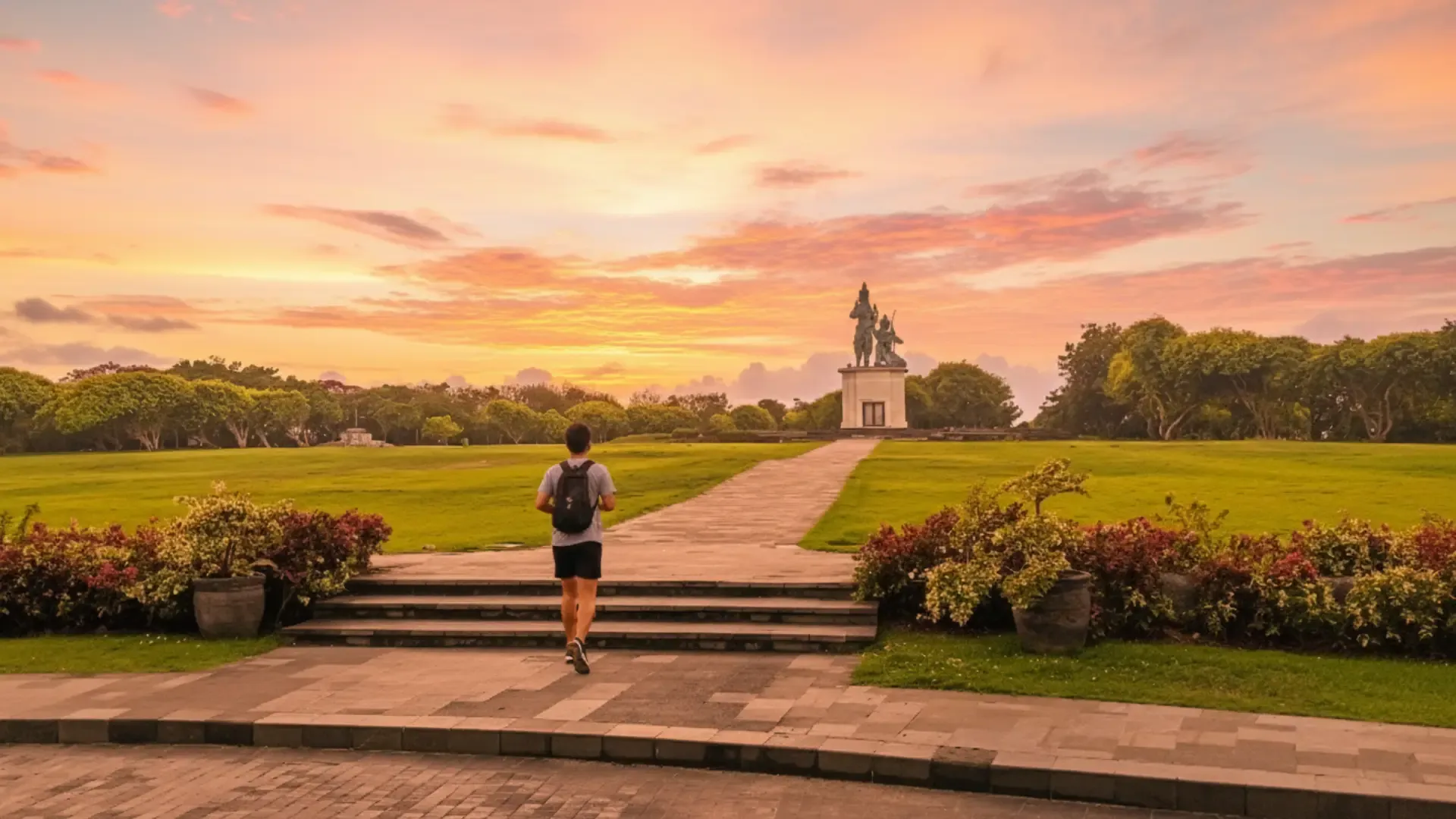
  • Sunrise at Mengiat Beach: A Peaceful Morning in Bali’s ITDC Area

    Sunrise at Mengiat Beach: A Peaceful Morning in Bali’s ITDC Area

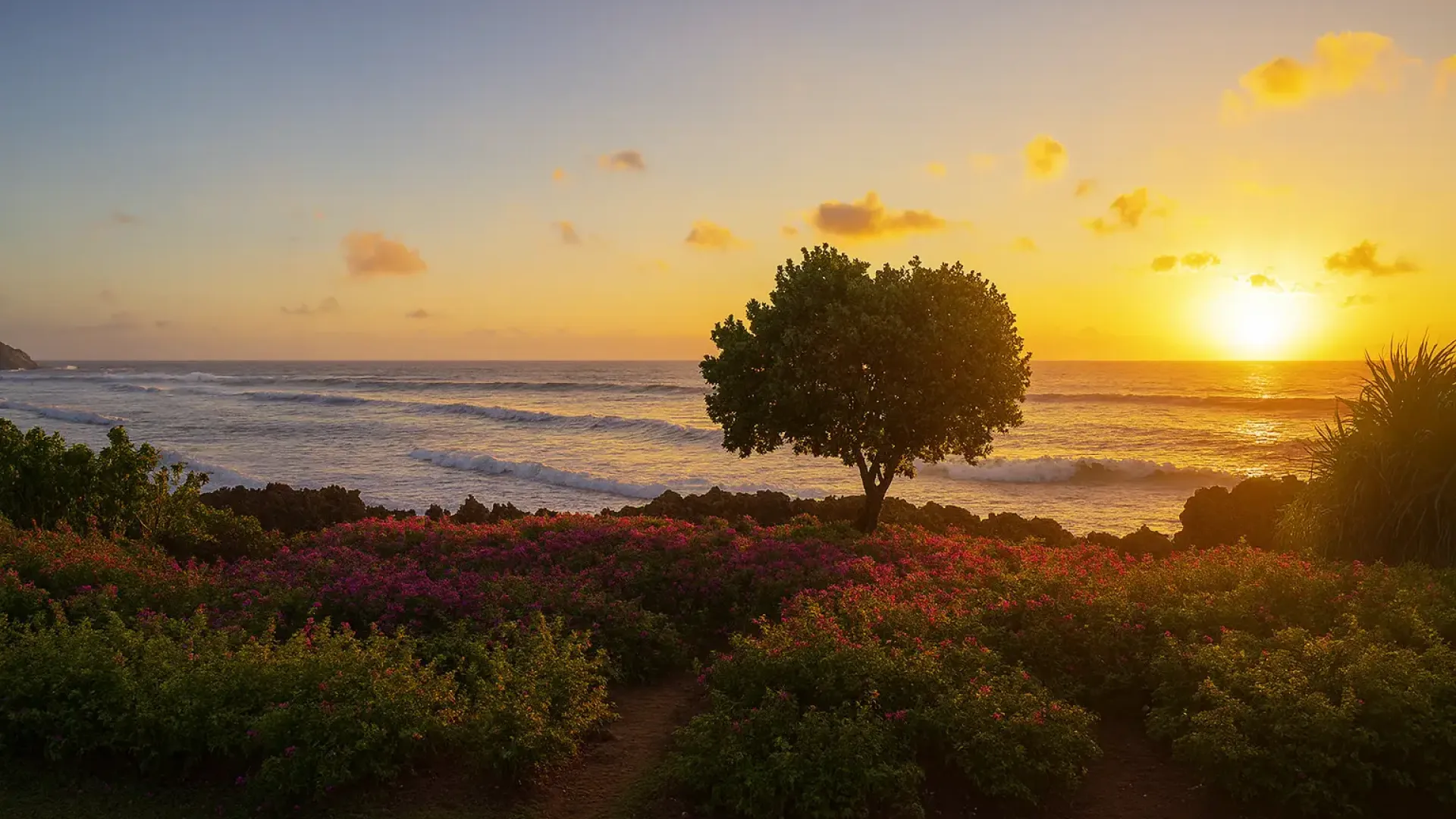
    There is a different version of Bali that most travelers never see. It appears quietly, just before the island wakes up. Sunrise at Mengiat Beach reveals that version in full clarity. Soft light, empty shoreline, gentle waves, and a sense of calm that feels almost private. Located inside the ITDC Nusa Dua area, Mengiat Beach offers one of the most peaceful sunrise experiences in South Bali, only minutes from the airport yet far removed from the crowds.

    As someone born and raised in Bali, I have always believed that the island speaks most honestly in the early morning. Mengiat Beach is one of those places where Bali still whispers instead of shouts.

    A Morning That Begins Without Noise

    Arrive at Mengiat Beach before 6 a.m. The sky is still pale, fishermen are silhouettes, and the air carries a cool salt scent that disappears later in the day. There are no beach clubs preparing speakers, no vendors calling out, and no rush. Just the rhythm of the sea.

    The eastern orientation of the beach makes sunrise feel natural and unforced. Light slowly spills across the horizon, reflecting softly on the calm surface of the water. Unlike the dramatic cliffside sunrises in other parts of Bali, this one is gentle. It is designed for presence, not performance.

    For travelers seeking mindfulness, jet lag recovery, or a quiet first morning after landing, sunrise at Mengiat Beach feels grounding.

    Why Mengiat Beach Feels Different

    The atmosphere of Mengiat Beach is shaped by its location inside ITDC Nusa Dua. This area was designed with controlled development, wide green spaces, and strict zoning. As a result, the beach remains clean, organized, and relatively uncrowded even during high season.

    The sand here is soft and light in color. The waves are small and friendly, especially in the morning, making it ideal for wading or simply walking barefoot along the shoreline. Many positive visitor reviews mention how calm and relaxing the beach feels compared to other beaches in South Bali.

    Sunrise amplifies these qualities. The absence of crowds allows the beach to return to its natural state, where every sound and movement feels intentional.

    Ideal Activities During Sunrise

    Sunrise at Mengiat Beach is not about doing many things. It is about doing simple things slowly.

    Morning walks are the most popular activity. The flat shoreline and compact sand make walking effortless, even for older travelers. Some visitors practice light yoga or stretching near the waterline, while others sit quietly on the sand with coffee brought from their hotel.

    Photography lovers will appreciate the soft pastel colors and natural reflections. Unlike crowded sunrise spots, you will not need to wait or negotiate space. The scene unfolds uninterrupted.

    Swimming is also possible during early hours, as the water is usually calm. The absence of boats and activities makes the experience safe and peaceful.

    Close to the Airport, Far from the Rush

    One of the most practical advantages of Mengiat Beach is its proximity to Ngurah Rai International Airport. The drive takes approximately 20 to 25 minutes, depending on traffic. This makes it an excellent choice for travelers arriving late at night or departing later in the day.

    Many visitors underestimate how valuable this location is. Instead of battling traffic to reach far beaches after a long flight, you can wake up near the sea and still feel that you have truly arrived in Bali.

    How to Get to Mengiat Beach

    Reaching Mengiat Beach is straightforward, even for first time visitors.

    By Trans Metro Dewata

    Public transport is available via Trans Metro Dewata routes that serve the Nusa Dua and ITDC area. You can get off near Bali Collection and continue with a short walk or online ojek to the beach entrance. This option is budget friendly but requires checking the latest route schedules.

    By Taxi or Online Ride

    Taxis and online ride services such as Grab or Gojek are the easiest option. From the airport or most parts of South Bali, the ride is smooth and direct. Early morning rides are especially quick due to minimal traffic.

    By Private Transfer

    For travelers staying inside ITDC or those planning a sunrise visit, a private transfer offers comfort and precise timing. Many hotels can arrange this service upon request.

    Who Sunrise at Mengiat Beach Is Perfect For

    This experience is ideal for travelers who value calm over crowds. Couples looking for quiet moments, solo travelers seeking reflection, families with young children, and older visitors will all find comfort here.

    It is also perfect for short stay travelers who want a meaningful Bali experience without long travel times. If your schedule is tight but your expectations are high, this beach delivers balance.

    Reflection: Bali Before It Performs

    Bali today is often seen through lenses, schedules, and itineraries. Sunrise at Mengiat Beach strips all of that away. It reminds us that Bali does not need to entertain to be beautiful.

    As the sun rises and the light slowly warms the sand, the beach fills with a quiet sense of gratitude. For being here early. For choosing stillness. For witnessing Bali as it was meant to be experienced.

    Closing Thoughts

    If you are searching for a peaceful beginning to your Bali journey, sunrise at Mengiat Beach offers exactly that. Calm waters, soft light, easy access, and an atmosphere shaped by intention rather than trend.

    Sometimes the most memorable moments in Bali happen before breakfast, before crowds, and before the island puts on its daytime face. Mengiat Beach at sunrise is one of those moments.

  • Discover Uluwatu Temple: Your First-Time Guide to Bali’s Cliffside Sanctuary

    Discover Uluwatu Temple: Your First-Time Guide to Bali’s Cliffside Sanctuary

    For many international travelers, Uluwatu Temple is the moment Bali reveals its dramatic soul. Perched high above the Indian Ocean, this sacred site is often the first encounter with Bali’s spiritual landscape, where mythology, ritual, and raw nature meet. If this is your first time to Uluwatu Temple, consider this a calm, respectful guide written from the island itself, not just a checklist, but a story you step into.

    Experience

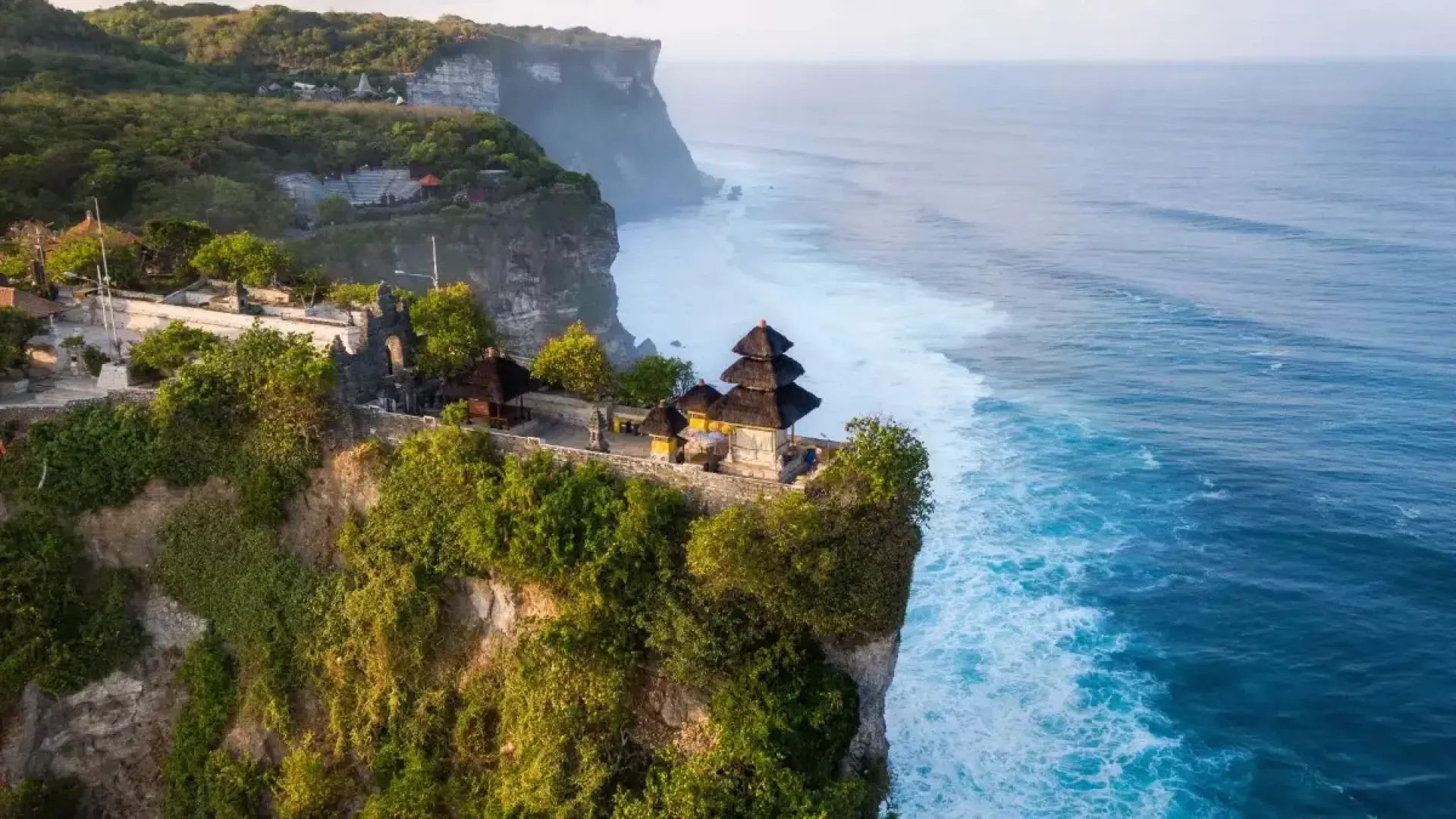
    The name Uluwatu comes from two Balinese words: ulu meaning edge and watu meaning rock. True to its name, the temple stands on the edge of a 70 meter cliff, projecting boldly into the sea. Local folklore tells that this rock was once part of Dewi Danu’s petrified barque, grounding the temple not only in stone but in story.

    While a modest shrine may have existed earlier, Uluwatu Temple took its present form in the 11th century through the influence of Empu Kuturan, a revered Javanese sage. Centuries later, in the 16th century, Dang Hyang Nirartha introduced the padmasana shrine here. It is believed he attained moksha at this very spot, an event known locally as ngeluhur, to ascend. From this moment, the temple earned its sacred epithet, Luhur, meaning elevated or exalted.

    Uluwatu is not only protected spiritually but also legally. Today, it is governed by both customary law and provincial regulations that define sacred zones around the temple. After years of legal tension between state planning and village tradition, a balanced zoning system was established. Uluwatu Temple is classified as a Type II sacred site, with a core zone, buffer zone, and utilization zone that protect its spiritual integrity while allowing community life to continue. For visitors, this means the cliffs, forests, and pathways you walk through are preserved with intention, not coincidence.

    Reaching Uluwatu Temple from Ngurah Rai International Airport takes around 50 minutes by car or about 42 minutes by motorcycle, depending on traffic. The journey itself is part of the transition, moving from urban Bali to limestone cliffs and open sea.

    One unforgettable part of the experience is the sunset. As daylight softens, the ocean below turns copper and gold. Just before dusk, the famous Kecak Fire Dance begins, performed on an open-air stage overlooking the sea. The chanting, the fire, and the horizon align in a way that feels both theatrical and deeply ritual.

    Reflection

    First-time visitors often hear warnings about the monkeys, and yes, they are clever, fast, and occasionally mischievous. Still, they are part of the temple’s ecosystem and sacred guardians of the forest. Understanding them is the key to staying safe.

    Know which monkeys are aggressive. Avoid those holding babies, eating, fighting, or showing bald patches. Remove jewelry before entering. Necklaces, bracelets, earrings, and even phones can attract attention. Do not bring snacks or drinks into the area. Avoid direct eye contact, which monkeys perceive as a challenge. If something is taken, never hit or chase them. Calmly ask temple staff for assistance.

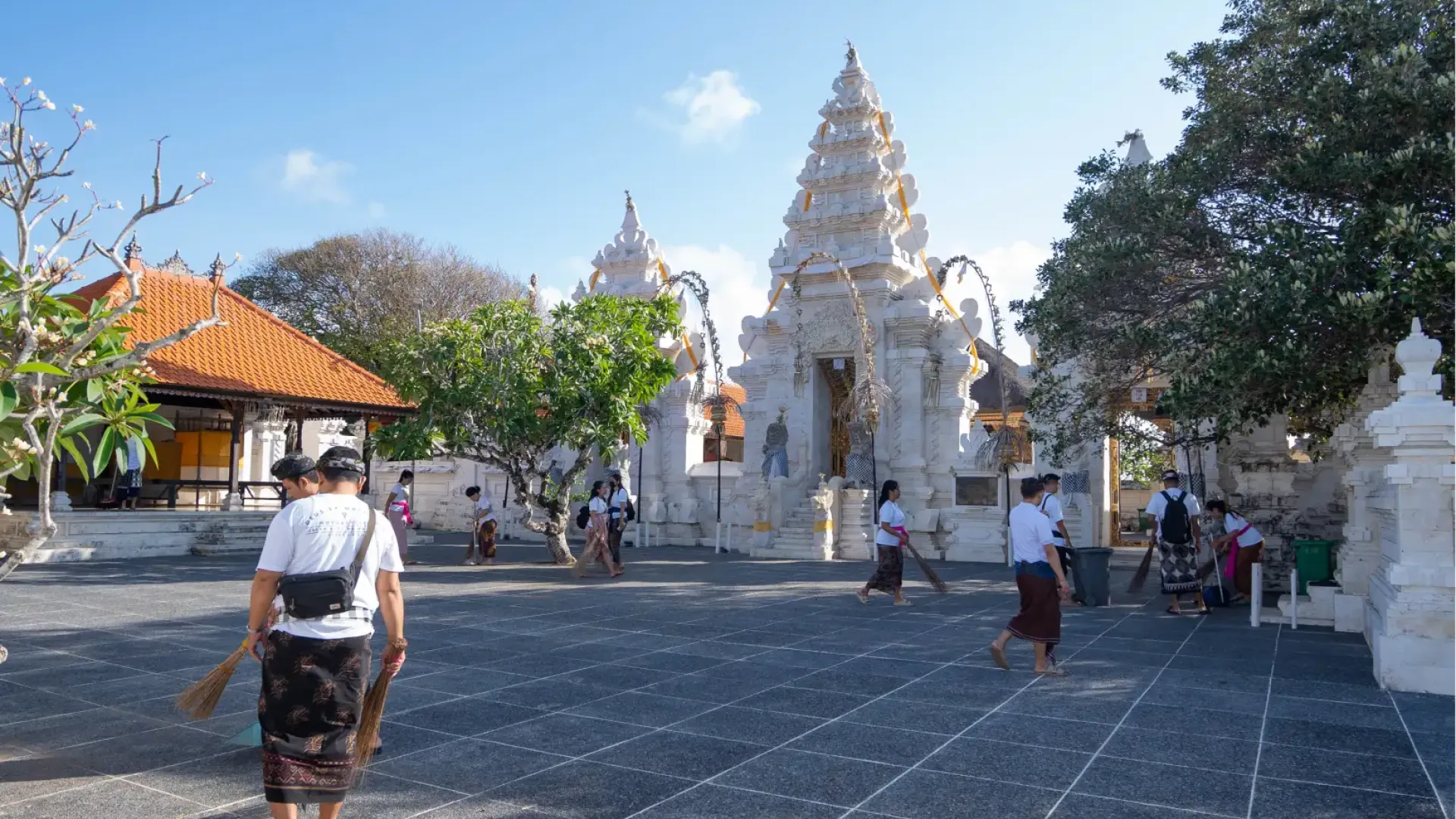
    Dress respectfully. As one of Bali’s major temples, modest attire is required. Sarongs and sashes are provided free at the entrance, even if your clothing already covers your knees. Bare shoulders are generally accepted, but covering them shows deeper respect.

    Plan your visit with intention. Uluwatu Temple is open daily from 07:00 AM to 07:00 PM. Entrance fees for international visitors are IDR 50,000 for adults and IDR 30,000 for children. The ticket does not include parking or the Kecak Dance, which requires a separate purchase. Arriving before 5:00 PM allows you to explore calmly before sunset crowds gather.

    Follow the temple’s do’s and don’ts. Wear the sarong and sash, behave respectfully, secure your belongings, and stay within permitted areas. Do not feed the monkeys, use drones, bring food, or enter restricted sacred zones. Women on their period are traditionally not allowed to enter the temple area, a customary rule observed across Balinese Hindu temples.

    Facilities are thoughtfully provided. You will find clean public toilets, shaded gazebos, a wantilan pavilion, spacious parking, first aid and ambulances, wheelchair access, prayer rooms, warungs, souvenir shops, ATMs, and even EV charging stations.

    Conclusion

    Visiting Uluwatu Temple for the first time is not about ticking off a landmark. It is about standing at the edge of land and belief, feeling how Bali holds its sacred spaces with care and quiet strength. Walk slowly, dress respectfully, watch the sunset, and let the chants linger. Uluwatu is not only a place you see, it is a place that stays with you long after you leave the cliff

    Image Source: badungkab.go.id

  • The Power of Peninsula Island Nusa Dua

    The Power of Peninsula Island Nusa Dua

    The Power of Peninsula Island: Free, Spacious, and Aesthetic

    Peninsula Island has become one of Nusa Dua’s most refreshing escapes. It proves that a place does not need elaborate features to feel uplifting. With wide open space, coastal scenery, and gentle light, the island offers a kind of beauty that feels honest and restorative. Here are the highlights that define its quiet power.

    Free Entrance Ticket Visitors only pay for parking, making Peninsula Island one of the most accessible coastal spots in the area.

    Calm White Sand Beach Safe for Children The shoreline is gentle and protected, allowing families to relax while children enjoy the shallow water and soft sand.

    Water Blow The Thrilling Sensation of the Ocean Waves The powerful burst of water against the limestone cliff adds a dramatic edge to the island’s calm landscape.

    Jogging Track with Stunning Ocean Vistas The coastal trail invites morning and afternoon joggers to enjoy fresh air and shifting ocean colors.

    The Best Sunrise Spot in Nusa Dua Mornings unfold slowly here, painting the horizon with soft gold and offering a peaceful start to the day.

    Peninsula Island stands as a reminder that healing moments often arise from simple elements. A quiet coastline, open lawn, and the generosity of space can create an experience that lingers far beyond the visit.

  • Peninsula Island The Green Oasis in Nusa Dua

    Peninsula Island The Green Oasis in Nusa Dua

    Peninsula Island: The Green Oasis Amidst an Exclusive Enclave

    Hidden within the polished ITDC Nusa Dua complex lies Peninsula Island, a quiet stretch of land that feels more like a coastal sanctuary than part of a luxury enclave. The contrast is captivating. One moment you pass five star resorts with marble lobbies and manicured gardens, and the next you arrive at an open green space that invites you to breathe deeper. Peninsula Island reveals itself as a rare pocket of nature where serenity stands at the center of the experience.

    The island’s accessibility sets the tone for its charm. Despite being surrounded by high end hotels, the entrance remains free and open to the public. The simplicity of stepping onto a perfectly trimmed lawn that rolls gently toward the ocean feels like a privilege shared with everyone. Shady trees sway with the coastal wind, while the Indian Ocean unfolds in shades of blue that deepen toward the horizon.

    The Water Blow stands as Peninsula Island’s most dramatic element. Here, the ocean roars against a rugged limestone cliff, sending sprays of water high into the air. Watching the waves rise and collapse is a reminder of how incredibly alive this coastline is. People gather at the viewpoint with a sense of anticipation, waiting for the sea to reveal its power. It is nature performing without script, and Peninsula Island provides the perfect stage.

    As I walked the trails surrounded by greenery and sea breeze, I felt that Peninsula Island holds a certain purity. It does not overwhelm the senses. Instead, it centers them. In an area defined by luxury, the island offers a different kind of richness, one shaped by open air, sound, and light. It teaches the value of quiet spaces and the importance of slowing down.

    Peninsula Island may be small, but its sense of place feels vast. It is a green oasis that reminds travelers why coastal landscapes continue to inspire reflection, grounding, and gratitude.

  • Discover the Hidden Beji for Melukat at Pura Geger Dalem Pemutih

    Discover the Hidden Beji for Melukat at Pura Geger Dalem Pemutih

    Hidden on the southern cliffs of Bali, overlooking the vast Indian Ocean, Pura Geger Dalem Pemutih stands as one of the island’s most spiritually charged coastal temples. Located in Peminge Village, Benoa, South Kuta, the temple is part of the revered Dang Kahyangan network, sacred sites closely tied to the spiritual history of Bali.

    Beyond its cliffside beauty and ancient shrines, the temple hides one of its most intriguing features: a beji, a natural spring used for melukat, Bali’s traditional purification ritual. This secluded beji, tucked among coral rocks, has transformed Pura Geger Dalem Pemutih into a complete spiritual landscape where prayer, history, and cleansing merge into one powerful experience.

    A Sacred Cliffside Temple with Strong Cosmic Alignment

    Perched on limestone cliffs facing the open sea, Pura Geger Dalem Pemutih is believed to form a spiritual axis with Pura Agung Besakih on Mount Agung to the north and Pura Penataran Ped in Nusa Penida to the east. Together, these three sites form a symbolic spiritual triangle, reinforcing the temple’s role in maintaining cosmic harmony throughout Bali.

    The temple’s elevated position at the very edge of the island strengthens its connection to the unseen world. Many Balinese believe that rituals performed here must follow strict timing, as the energies of the ocean and the temple are deeply intertwined.

    Ancient Legends: From Nirartha’s Journey to Babad Dalem Pemutih

    The origins of the temple remain wrapped in legend. One story links it to the sacred journey of Dang Hyang Nirartha (Dang Hyang Dwijendra), who is said to have meditated beneath a sawo kecik tree in this area before continuing toward Uluwatu. That ancient tree, considered a silent witness of his presence, is still preserved today.

    Another historical layer comes from the Babad Dalem Pemutih. It describes the arrival of Dalem Petak Jingga and his followers in 1652 Saka after a rebellion in the Gelgel Kingdom. Here, on the quiet shores of Geger, he performed deep meditation and received a divine revelation about his future. These overlapping narratives place the temple at the crossroads of Bali’s spiritual and political history.

    The Divine Seat of Dalem Segara

    The name “Dalem Pemutih” refers to the sacred seat of Ida Batara Dalem Segara or Ida Batara Dalem Pamutih, a divine manifestation symbolizing purity and clarity. In Balinese tradition, the color white represents truth, cleansing, and the power of Siwa–Iswara, making this temple an important place for rituals of purification, protection, and balance.

    A three-tiered meru tumpang telu stands on the east side of the temple, serving as the main shrine where Ida Batara is worshipped. Its simple yet commanding presence reflects the coastal character of this temple: functional, devotional, and deeply symbolic.

    Rituals That Must Never Be Delayed

    As a temple facing the open ocean, rituals at Pura Geger Dalem Pemutih are bound by strict timing. Local priests emphasize that major ceremonies cannot be moved, not even by a single day. The temple hosts cycles of rituals that vary from every 15 days to grand ceremonies held once every 100 years.

    This precision is believed to protect the island from imbalance or natural disturbances, acknowledging the unpredictable and powerful nature of the sea below.

    Sacred Structures Within the Temple Complex

    Several key shrines and structures are found within the temple’s utama mandala:

    • Padmasana, dedicated to the supreme God
    • Meru tumpang tiga, the sacred shrine of Ida Batara Dalem Pemutih
    • Gedong Pasadegan
    • Tugu Penyarikan
    • A second meru tumpang tiga for the lineage of Puri Satria
    • A shrine for Ida Batara Ratu Gde Panataran Dalem Ped from Nusa Penida

    Even with its modest layout, the temple holds layers of spiritual meaning deeply rooted in Balinese tradition.

    Piodalan: A Living Ritual Tradition

    The temple’s annual piodalan is held on Purnama Keenem Panglong Apisan, the day before the sixth full moon. The temple is cared for by Banjar Peminge and Banjar Sawangan, with pemangku priests conducting daily prayers to ensure the spiritual flame never goes out.

    The Hidden Beji: A Sacred Place for Melukat

    About 100 meters south of the main temple lies its most extraordinary feature: a hidden beji used for melukat, the Balinese ritual of spiritual cleansing.

    Situated between coral rocks and marked by yellow–white ceremonial umbrellas, the beji features shrines dedicated to Ganesha and Lingga Yoni, symbols of wisdom, fertility, and cosmic balance.

    A narrow passage leads down to a small, quiet beach. Here, a freshwater spring emerges from the rocks, but only when the tide is low. During high tide, especially in the morning, the spring disappears beneath the ocean.

    Because of this natural rhythm, the best time to perform melukat is:

    • late afternoon,
    • one or two days after Tilem (the dark moon),
    • when the tide has receded enough to reveal the sacred spring.

    Why This Temple Matters Today

    The beji completes Pura Geger Dalem Pemutih as a holistic spiritual complex, uniting shrines, ritual spaces, cosmic symbolism, and a natural source of purification. On days such as Kajeng KliwonPurnamaTilem, and Banyupinaruh, both locals and visitors come to the temple to pray and cleanse themselves.

    For travelers seeking an authentic spiritual experience, this temple offers an intimate glimpse into Bali’s living traditions, far beyond the typical tourist path.