Tag: Galungan Kuningan

  • Manis Galungan and Manis Kuningan The Sweet Closings of Bali’s Sacred Cycle

    Manis Galungan and Manis Kuningan The Sweet Closings of Bali’s Sacred Cycle

    In Balinese Hindu tradition, major ceremonial days are often followed by a moment of calm that allows families to reconnect after the intensity of prayer. Two of the most important examples are Manis Galungan and Manis Kuningan, gentle follow up days that bring a sense of warmth and togetherness to the broader Galungan and Kuningan celebrations.

    What is Manis Galungan

    Manis Galungan, also known as Umanis Galungan, takes place one day after Galungan, on Wraspati Umanis Wuku Dungulan. While Galungan itself is a major spiritual milestone that honors the triumph of dharma over adharma, Manis Galungan is quieter. The mood becomes lighter and the focus shifts from ritual intensity to human connection.

    On this day, Balinese Hindus usually:

    • Visit family and relatives for simakrama, the tradition of strengthening relationships.
    • Share food and blessings as a continuation of gratitude.
    • Stroll through villages or visit temples in a relaxed way.
    • Offer light prayers to maintain balance and harmony.

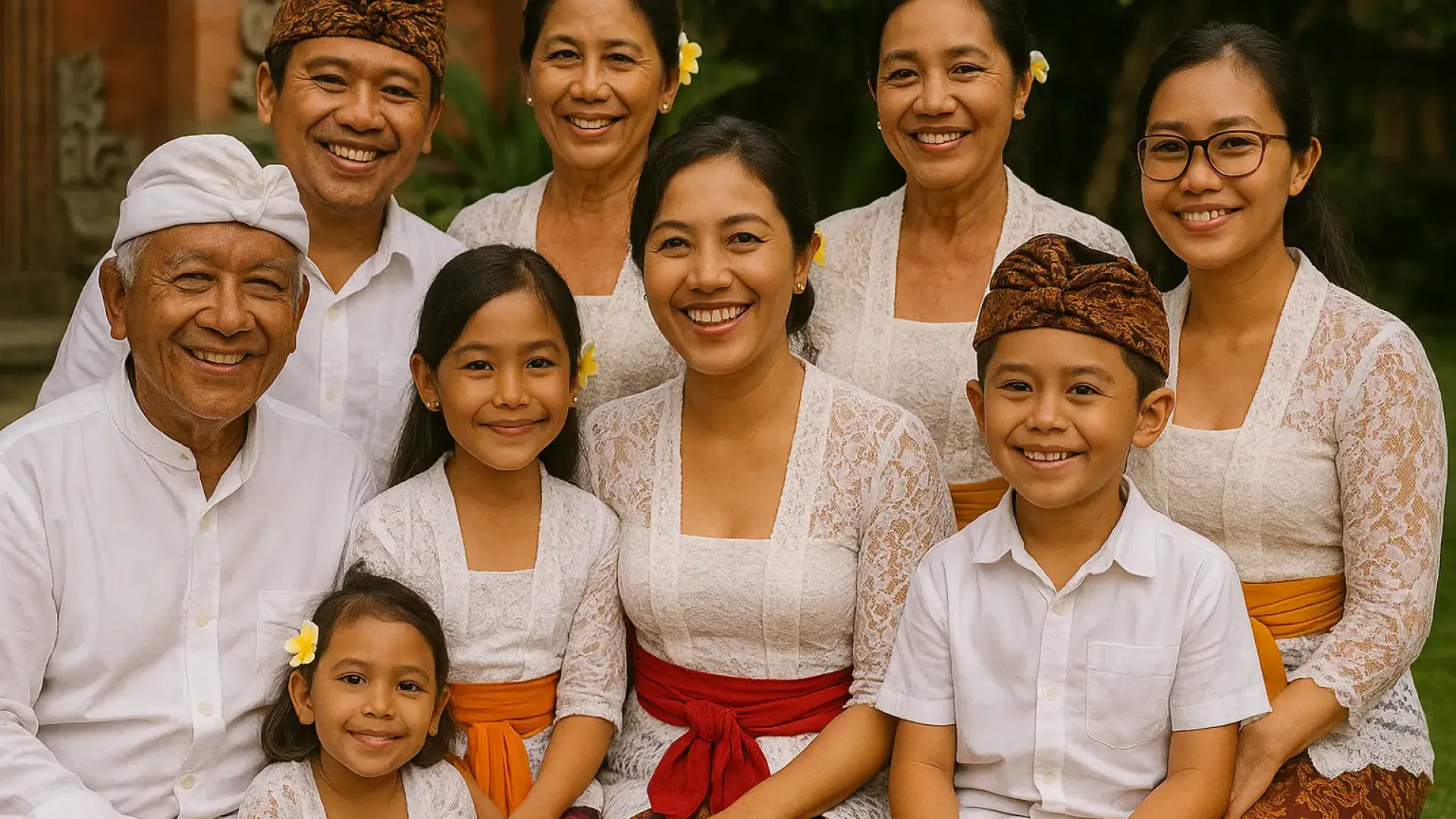
    Manis Galungan is often described as a day of sweetness. It marks the moment when homes open to relatives and the atmosphere becomes gentle after the sacred peak of Galungan.

    What is Manis Kuningan

    Manis Kuningan takes place one day after Kuningan, which occurs ten days after Galungan. Kuningan is believed to be the day when ancestral spirits return to the heavens after visiting their descendants. Manis Kuningan, therefore, is a calm and reflective closing to the entire Galungan period.

    The activities on Manis Kuningan are similar in spirit to Manis Galungan, although the mood is slightly more contemplative. People often:

    • Visit family to share the final joy of the festival cycle.
    • Pray lightly in gratitude for blessings received.
    • Spend peaceful time at home as the ceremonial season concludes.

    Many Balinese describe Manis Kuningan as the gentle farewell to the divine presence that has been honored over the previous days.

    Why These Days Matter

    While Galungan and Kuningan carry deep ritual significance, Manis Galungan and Manis Kuningan focus on social harmony and emotional balance. They remind the community that spiritual life is not only about offerings and ceremonies but also about nurturing relationships, gratitude and peaceful coexistence.

    These sweet follow up days serve as a bridge between sacred celebration and everyday life. They close the ritual cycle with warmth and allow families to return to their routines with a refreshed sense of unity.

  • Galungan 2025: Bali’s November Homecoming

    Dawn in a Balinese village during Galungan smells of incense, steamed rice, and wet banana leaves. In November 2025, with Galungan on Wednesday, 19 November, and Kuningan on Saturday, 29 November, that scent threads through alleys and roads, calling ancestors home and inviting the living to remember.

    The story the island tells

    Galungan marks the triumph of dharma (good) over adharma (evil) and the homecoming of ancestral spirits. It is both a cosmic and intimate family affair: bamboo penjor arch over streets, canang sari at doorways, and family altars shimmer with color. The festival follows the 210-day pawukon calendar, meaning Bali observes this rhythm twice yearly. In November 2025, the island will fold inward for reflection and outward in ceremony.

    The days that lead to homecoming

    Galungan does not arrive suddenly; it is prepared for, day by day.

    Three days before (Penyekeban), houses quieten as bananas are ripened for offerings. Two days before (Penyajahan), kitchens hum with jaja sweet rice cakes and colorful treats, folded into palm-leaf trays. The day before (Penampahan) is the busiest and most visceral: families prepare lawar and other ceremonial dishes, sometimes including ritual slaughter, symbolically sweeping away the animalistic impulses of the self. On Galungan morning, families dress in their finest lace kebaya for women, sarongs, and udengs for men and gather at home shrines and village temples for prayer, offerings, and the simple, powerful act of hospitality toward the unseen.

    Ten days after Galungan, on 29 November 2025, Kuningan marks the gentle farewell. Yellow — kuning — softens the island; tamiang and kolem are placed as symbols of protection and rest. Ancestors return to the spirit world, leaving behind blessings and a renewed sense of moral purpose.

    What you see and feel

    Look down any lane and you will find penjor: tall bamboo poles, festooned with young coconut leaves, rice, and small gifts, their tips heavy with offerings. Women walk with baskets of flowers and rice on their heads; temple gongs thrum and bells answer. Children run between processions and quiet courtyards; some laugh, others hold their breath in the hush of prayer. Food is communal — rice, lawar, and the unmistakable aroma of babi guling in villages where that is customary.

    Galungan is not a single spectacle but a string of private and public moments. It is at once solemn and warm, a moral recommitment wrapped in family noise and ritual precision.

    A visitor’s guide to being respectfully present

    If you will be in Bali for Galungan in November 2025, treat the days as an invitation to observe, not perform.

    • Dress modestly: cover shoulders and knees; carry a sarong and sash if you plan to enter temples.
    • Give space during prayers and processions; do not step over offerings.
    • Ask before photographing people in prayer. Many Balinese prefer a quiet presence rather than being the subject of a snapshot.
    • Be prepared for changes: markets may close, and transport can be slower as families travel between homes and temples. Plan flexibly and prioritize local rhythms over strict itineraries.

    What Galungan leaves behind

    Beyond the visual — penjor, canang, yellow rice — Galungan leaves a quieter inheritance: a reminder to align thought and action, to conquer the small violences of selfishness, and to welcome those who came before us with offerings and gratitude. In the November 2025 cycle, the island will fold these lessons into daily life for weeks: a communal patience, a renewed care for home altars, and the soft, steady cadence that comes when a community remembers its roots.

    Walk slowly down a road lined with penjor, breathe in the incense, and you might feel, for a moment, that the world has tilted toward something kinder. That is the quiet triumph Galungan asks us to keep.