Tag: Nyepi

  • Nyepi Prep: The Sweet Traditions of Balinese Mothers

    Nyepi Prep: The Sweet Traditions of Balinese Mothers

    Quick Answer: What happens 2 days before Nyepi?

    Two days before Nyepi (H-2), Balinese households buzz with a tradition called “making jajanan.” Led by local mothers, families prepare traditional snacks like Jaje Bantal (sweet sticky rice with red beans) and Sumping. These treats are essential because no fires or stoves can be lit on Nyepi day. By the following day (H-1), the focus shifts to creating Segehan offerings to balance spiritual energies before the 24-hour total silence begins.

    The Heartbeat of the Home

    While most travelers know Bali for its beaches, I know it by the sound of a steaming pot and the scent of singed banana leaves. I was born and raised in the highlands of Kintamani, and for us, the countdown to Nyepi isn’t just a calendar date—it’s a feeling.

    Two days before the “Day of Silence,” our homes transform. If you walk through a Balinese village during this time, you won’t just see the scenery; you’ll smell it. This is the time of the mothers. They are the silent engines of our culture, and H-2 is when their magic happens in the kitchen.

    The Ritual of the “Little Pillows”

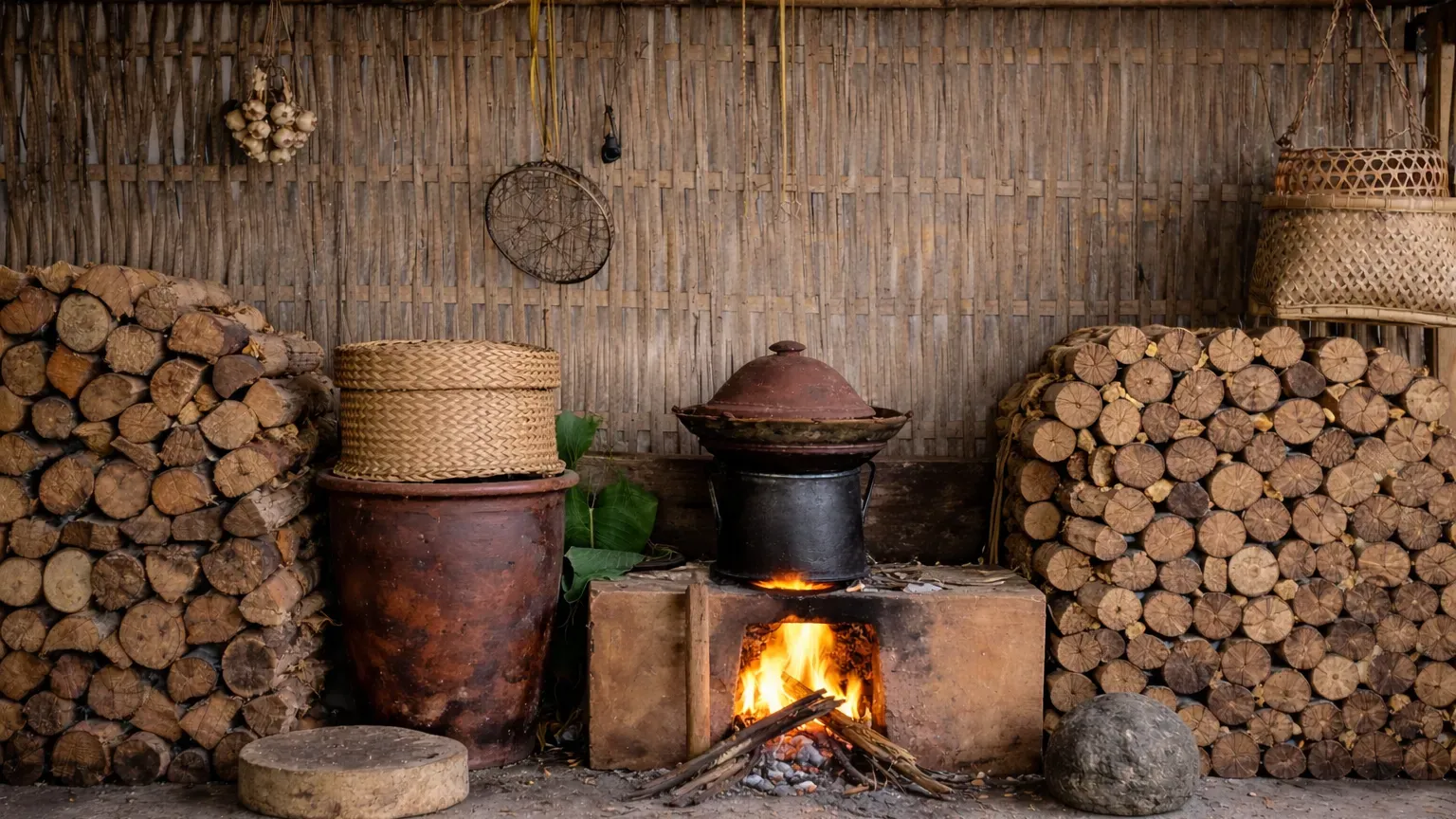
    The main event two days before Nyepi is making traditional snacks, or jajanan. Since we aren’t allowed to light fires on Nyepi (a rule called Amati Geni), we have to cook everything in advance.
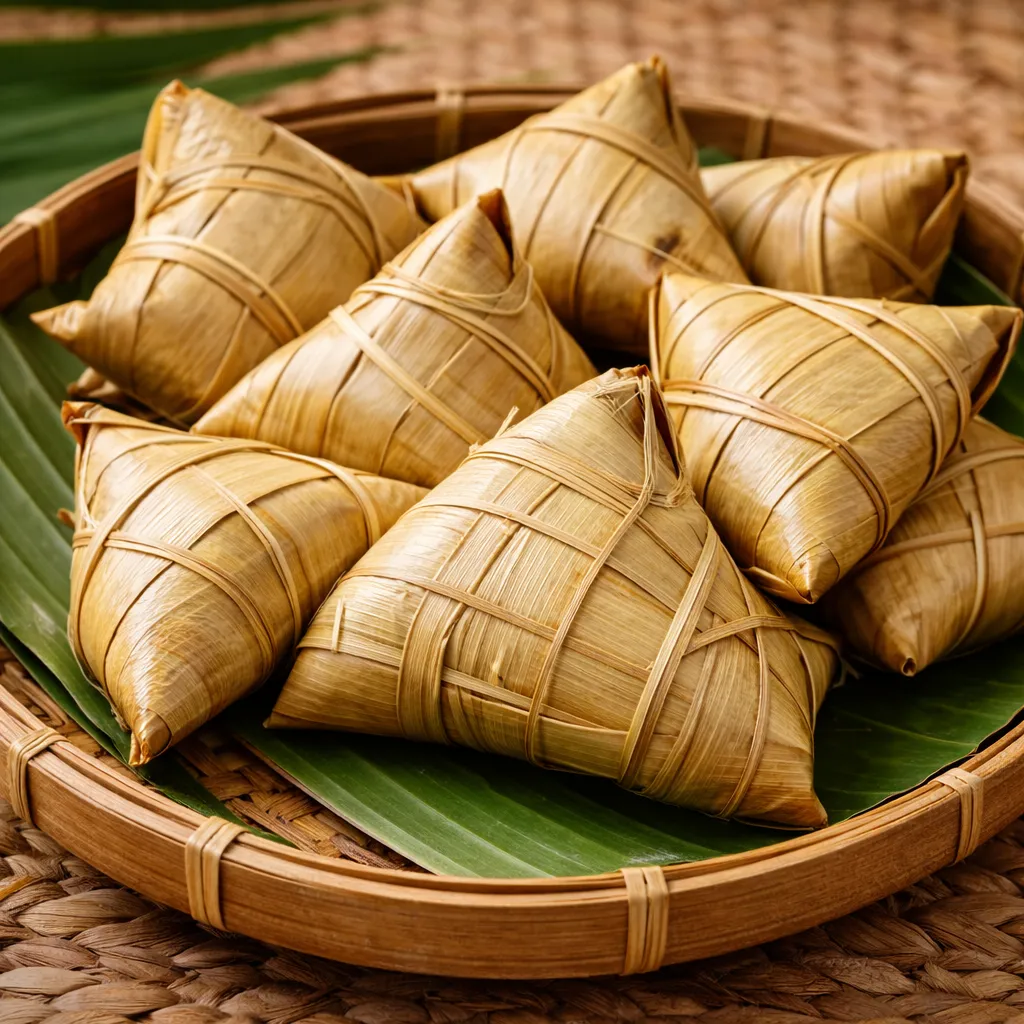
    Jaje Bantal

    The star of the kitchen is undoubtedly Jaje Bantal. In our language, Bantal means pillow. These are tiny, delicious “pillows” made from sticky rice, grated coconut, and red beans. We wrap them in janur (young coconut leaves) and tie them with thin bamboo strings. It’s a slow, communal process. My mother and the neighborhood women sit together, talking and laughing while their hands move with a speed that only decades of practice can give.
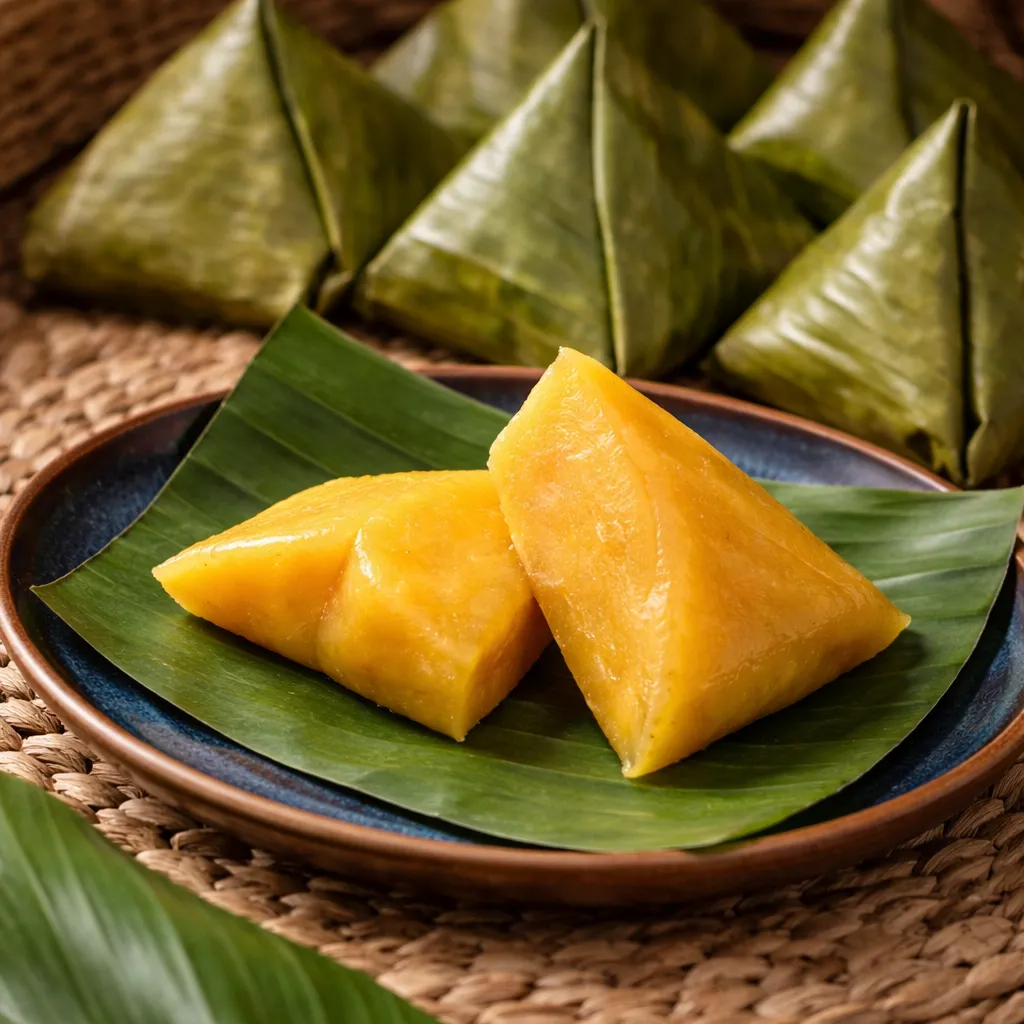
    Sumping tabu atau waluh khas bali

    We also make Sumping, a soft rice flour cake steamed in banana leaves, usually hiding a sweet slice of banana or jackfruit inside. These aren’t just snacks to us; they are a labor of love that keeps the family fed and the gods honored during the long silence.

    H-1: Spiritual Diplomacy

    As we move to the day before Nyepi, the atmosphere shifts. The kitchen work is mostly done, and the focus moves to the ground. This is when our mothers prepare Segehan.

    To a visitor, a segehan might look like a simple tray of colorful rice and flowers placed on the road. But to us, it’s a form of spiritual diplomacy. We believe in keeping a balance between the seen and the unseen. By placing these offerings at our gates, our mothers are asking for peace and protection, ensuring that the “lower energies” are satisfied so we can enter our day of meditation without any disturbance.

    Every Village Has a Different Soul

    One thing I always tell friends is that Bali isn’t a monolith. We live by a principle called Desa, Kala, Patra—which means tradition changes depending on the place, time, and situation.

    Growing up in Kintamani, our rituals feel a bit different than they do in the coastal heat of Kuta Selatan. In the mountains, we use what the earth gives us there. Our snacks might be a little different, and our ceremonies might feel more rugged and ancient. While the big cities are famous for their giant Ogoh-Ogoh statues, many of our mountain villages prefer a quieter, deeper connection to the old ways. This variety is what makes Bali so beautiful; every village has its own heartbeat.

    A Note to Our Guests

    If you are lucky enough to be in Bali during this time, take a moment to look past the closed shops and empty streets. Think of the mothers who spent their days weaving leaves and boiling rice.

    When you see a small offering on the ground or smell the faint scent of steamed coconut, you are witnessing the backbone of Balinese life. Nyepi is a day of silence, but it is built on days of devotion, hard work, and the sweetest snacks you’ll ever taste.
  • Why Ogoh-Ogoh Exist in Bali and the Story of What They Really Symbolize Before Nyepi

    Why Ogoh-Ogoh Exist in Bali and the Story of What They Really Symbolize Before Nyepi

    Why Ogoh-Ogoh exist in Bali is a question many travelers ask after witnessing the island’s loudest, wildest night. On the eve of Nyepi, Bali erupts in fire, noise, and towering demon statues paraded through the streets. Then, suddenly, everything stops. Silence takes over the next day. To understand Ogoh-Ogoh is to understand how Balinese culture confronts darkness, not by denying it, but by acknowledging it openly.

    I grew up in Bali, and for us, Ogoh-Ogoh were never just scary statues built to impress tourists. They were mirrors. Reflections of human chaos, ego, anger, and imbalance, brought into physical form so they could be faced together as a community.

    The Origin Story of Ogoh-Ogoh

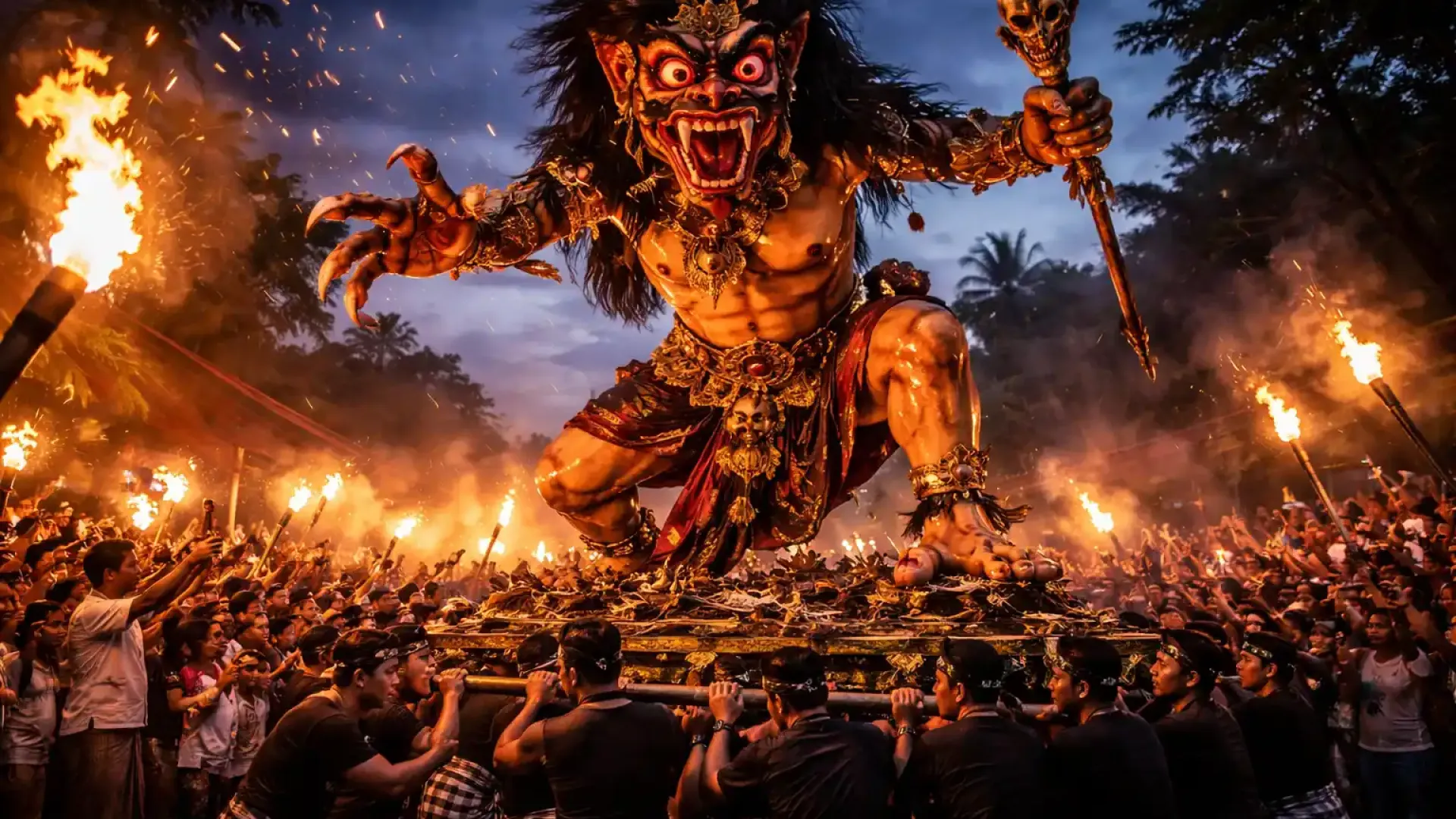
    Ogoh-Ogoh are giant effigies traditionally made from bamboo, paper, foam, and paint. They usually depict Bhuta Kala, symbolic beings that represent negative forces, uncontrolled desires, and destructive energy. In Balinese belief, these forces are not evil in the Hollywood sense. They are part of nature, part of humans, and part of the universe.

    The tradition is closely tied to Tawur Kesanga, a purification ritual held one day before Nyepi, Bali’s Day of Silence. The goal is not to eliminate darkness, but to restore balance between the seen world and the unseen world. Ogoh-Ogoh exist because balance cannot be achieved by pretending chaos does not exist.

    Why They Are Paraded at Night

    The Ogoh-Ogoh parade always takes place after sunset. There is a reason for this. Night symbolizes the unseen realm. It is when emotions feel heavier, fears feel louder, and instincts take over logic. By parading Ogoh-Ogoh through villages at night, accompanied by gamelan, shouting, and fire, the community symbolically calls out negative energy.

    The statues are often shaken violently, spun at crossroads, and carried with exaggerated movements. This is not for spectacle alone. Crossroads are believed to be spiritually significant points where energies intersect. The chaos is intentional. It confuses and neutralizes negative forces before Nyepi begins.

    If you want to understand how powerful this night feels as a lived experience, this article captures it vividly: Experience the Ogoh Ogoh Parade in Bali, a Once-in-a-Lifetime Night

    Why Ogoh-Ogoh Are Destroyed

    One of the most misunderstood aspects is why Ogoh-Ogoh are burned or dismantled after the parade. Months of work are destroyed in a single night. For outsiders, this feels wasteful. For Balinese people, it is the point.

    Ogoh-Ogoh symbolize impermanence. They remind us that anger, pride, and ego are temporary if we choose not to cling to them. Burning the effigies is an act of release. It is a declaration that negativity has been acknowledged and let go, not stored or celebrated.

    In some villages today, Ogoh-Ogoh are not burned but stored or exhibited due to regulations or tourism considerations. While practical, this shift also sparks debate among locals about preserving meaning versus preserving objects.

    From Sacred Ritual to Cultural Expression

    Ogoh-Ogoh as we know them today are relatively modern. The tradition expanded significantly in the 1980s, when Balinese youth groups, known as banjar, began turning the ritual into a form of artistic competition. Creativity exploded. Demons became more elaborate, dynamic, and expressive.

    This evolution does not weaken the tradition. It reflects Balinese adaptability. Culture here is not frozen in time. It evolves while keeping its philosophical core intact. Ogoh-Ogoh exist not only to scare spirits, but to teach cooperation, discipline, and collective responsibility among young people.

    The Silence That Follows

    To truly understand Ogoh-Ogoh, you must see them in contrast with Nyepi. After the loudest night of the year comes a full day of silence. No flights. No traffic. No entertainment. Even the internet slows down.

    The chaos of Ogoh-Ogoh empties the emotional container. Nyepi refills it with stillness. This contrast is deliberate. You cannot appreciate silence without noise. You cannot reset without release.

    Ogoh-Ogoh exist so Nyepi can exist meaningfully.

    What Ogoh-Ogoh Really Symbolize Today

    For locals, Ogoh-Ogoh symbolize self-awareness. They ask us to identify what we need to let go of before entering a new year. For visitors, they are an invitation to look beyond surface-level spectacle and witness how spirituality, art, and community intersect in Bali.

    Ogoh-Ogoh are not about fear. They are about honesty. About admitting that darkness exists within us all, and that balance comes not from denial, but from acknowledgment and release.

    When you watch an Ogoh-Ogoh parade, you are not just seeing a tradition. You are seeing a philosophy in motion.

  • Experience the Ogoh Ogoh Parade in Bali, a Once-in-a-Lifetime Night

    Experience the Ogoh Ogoh Parade in Bali, a Once-in-a-Lifetime Night

    If you are planning your first trip to the island, the Ogoh Ogoh Parade in Bali is something you should experience at least once in your lifetime. This is not a performance staged for tourists, not a ticketed show, and not something you can easily replicate elsewhere. Ogoh-ogoh exists only in Bali, and it belongs to the people who live here.

    I was born and raised on this island. Long before travelers started searching for Ogoh Ogoh on Google, the sound of bamboo being cut and laughter echoing from village halls was already part of my childhood. Ogoh-ogoh is not an event you attend. It is a night you step into.

    A Night That Belongs Only to Bali

    Ogoh-ogoh appears only once a year, on the eve of Nyepi, the Balinese Day of Silence. Across the island, almost every banjar, the smallest traditional community unit in Bali, builds its own ogoh-ogoh. There is no single center. The parade unfolds everywhere at once.

    For travelers, this is what makes the experience unforgettable. One street may erupt in cheers as a towering demon sways above the crowd, while just a few meters away another banjar prepares its own creation, completely different in shape, expression, and story. No two ogoh-ogoh are the same.

    This tradition exists nowhere else. It was born in Bali, shaped by local values, and carried forward by each generation.

    Built from Bamboo, Paper, and Collective Energy

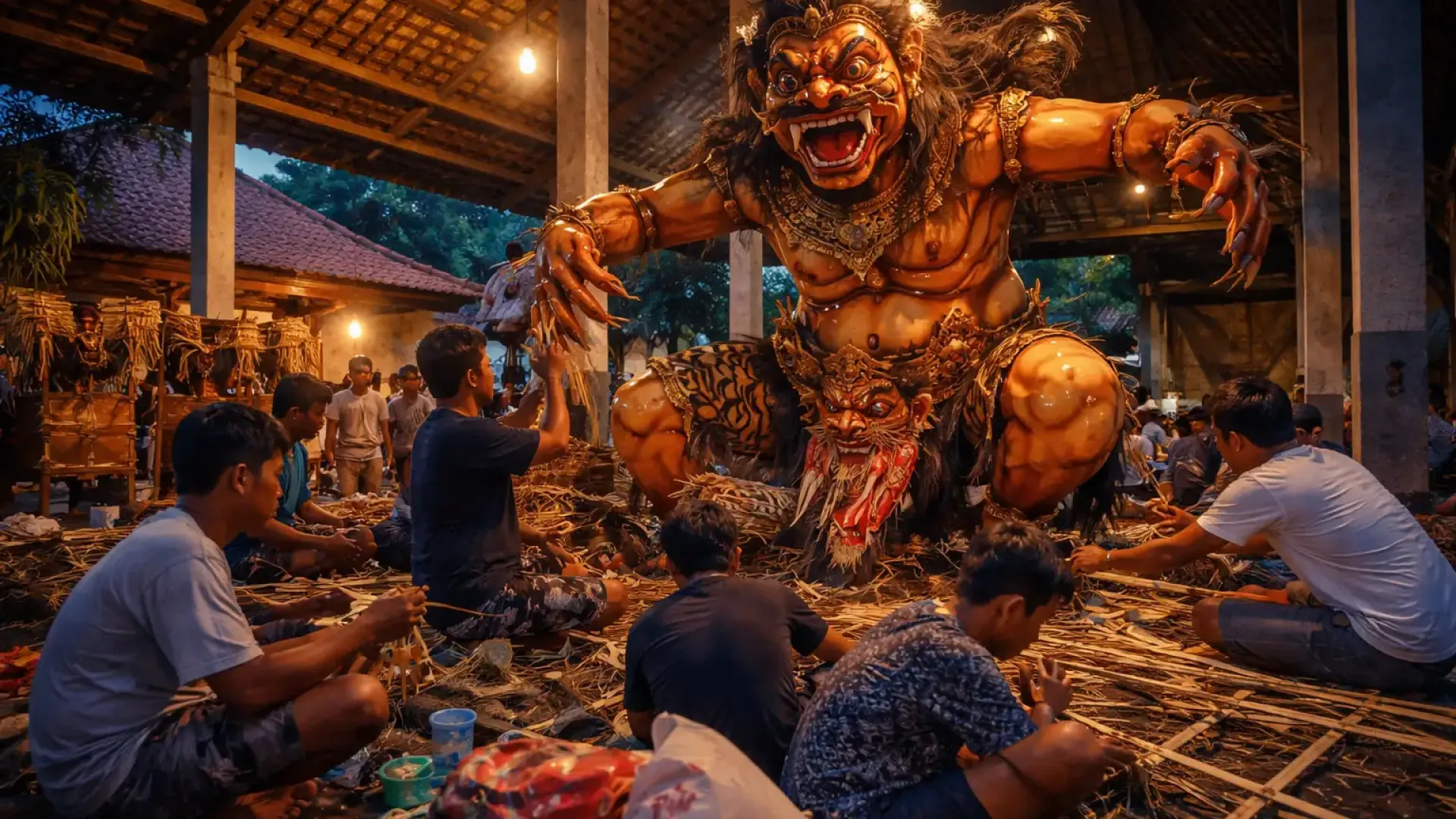
    Months before the parade, ogoh-ogoh begins as raw bamboo frames tied together by hand. Paper, paint, and recycled materials slowly give the figures their dramatic forms. Despite their massive size, most ogoh-ogoh are intentionally temporary, fragile, and handmade.

    Local artists often guide the design, but the work itself belongs to the community. Night after night, villagers gather to build, paint, argue, laugh, and refine every detail. What you see on parade night is the result of collective patience, not factory production.

    For travelers used to polished cultural shows, this rawness is part of the magic. You are witnessing living culture, not a finished product designed for consumption.

    Funded by the Community, Not by Spectacle

    Ogoh-ogoh is not sponsored in the commercial sense. Some banjar receive limited support from local authorities. Many rely on voluntary donations from residents, small fundraisers, and personal contributions.

    This matters because it explains the atmosphere. No one is being paid to perform. Everyone involved has given time, energy, and money because the tradition matters to them. As a visitor, you are stepping into something deeply personal.

    The Role of Sekaa Truna Truni

    At the heart of ogoh-ogoh are the sekaa truna truni, the youth groups of each banjar. These young men and women carry the responsibility of building, funding, and parading the ogoh-ogoh.

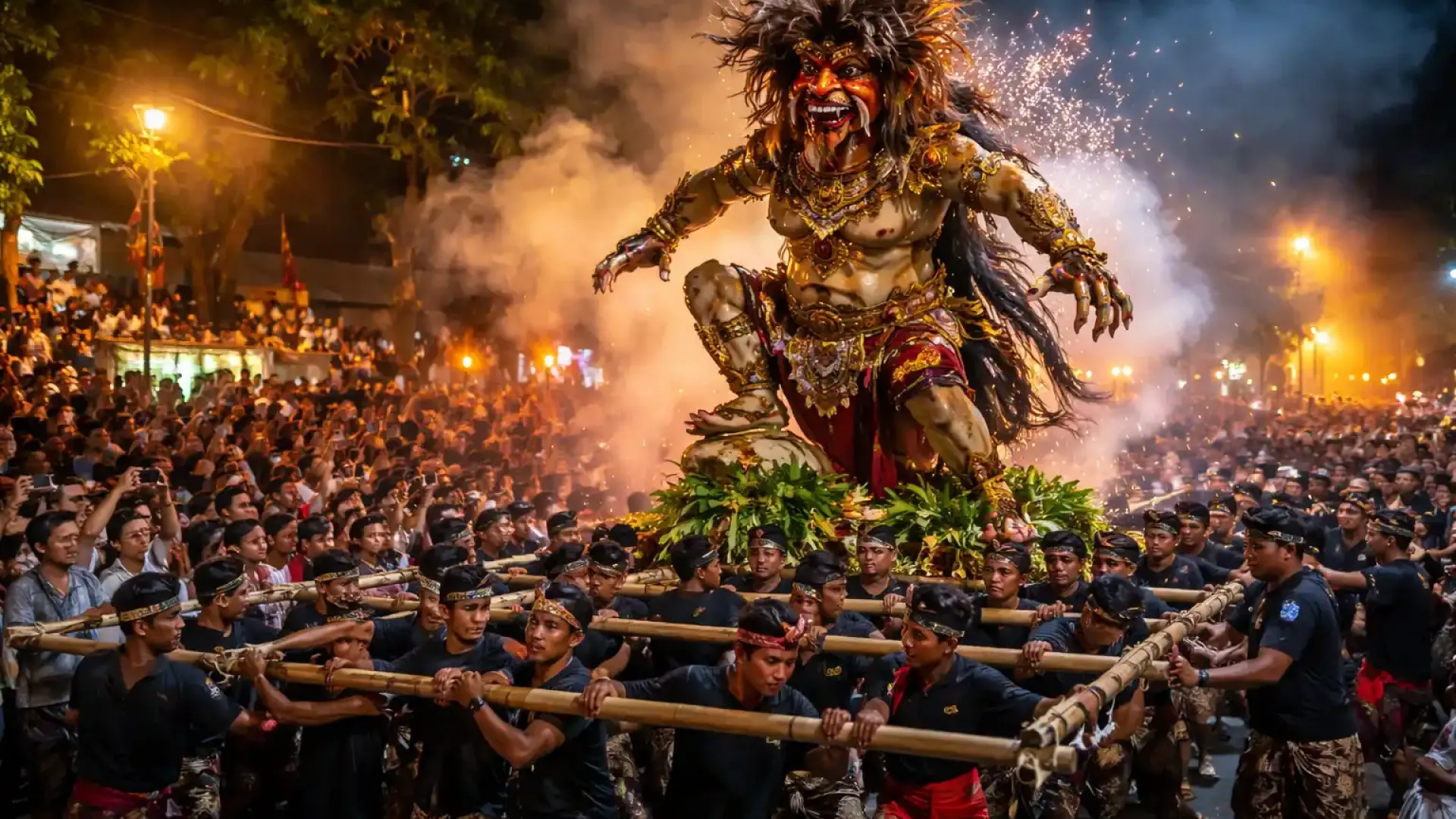
    On parade night, they lift the statues onto bamboo platforms and move them through the streets with synchronized steps, spinning them at crossroads to confuse negative forces according to tradition. The energy is intense, emotional, and sometimes chaotic.

    For first-time visitors, this is often the moment when Bali reveals itself beyond beaches and resorts. You see pride, discipline, creativity, and youthful fire all moving together under torchlight and street lamps.

    What Travelers Should Know Before Watching

    There are no grandstands and no assigned viewing areas. You stand among families, children, elders, and other travelers. Traffic stops. Streets fill. Patience is essential.

    Respect matters. This is a sacred cultural moment tied to Nyepi, not a carnival. Dress modestly, follow local guidance, and observe before raising your camera.

    And remember, the next day the island will fall completely silent. That contrast is intentional. The loudest night leads into the quietest day.

    Why This Night Stays with You

    Long after travelers forget beach clubs and sunset bars, many still remember the Ogoh Ogoh Parade in Bali. Not because it was comfortable or polished, but because it felt real.

    It is the sound of bamboo on asphalt. The sight of young villagers sweating under massive statues. The knowledge that this tradition exists only here, carried forward by communities who expect nothing in return.

    If you experience it once, you will understand why no photo or video ever feels complete.

  • Monsters on Parade: Everything You Need to Know About Bali’s Ogoh-Ogoh Night

    Monsters on Parade: Everything You Need to Know About Bali’s Ogoh-Ogoh Night

    Every year, on the eve of Nyepi, Bali explodes into sound, fire, and movement. Streets that will be completely silent the next day suddenly fill with drums, shouting, laughter, and towering demons carried high above the crowd. This is the Ogoh-Ogoh Parade Bali, a ritual night where chaos is not feared, but invited, confronted, and finally released.

    As someone born and raised on this island, I can tell you that Ogoh-Ogoh night is not entertainment in the usual sense. It is collective energy given form. A moment when Bali allows itself to be loud so it can truly be quiet the next day.

    The Myth Behind the Monsters: Bhuta Kala Unleashed

    The giant figures you see are called Ogoh-Ogoh, physical representations of Bhuta Kala. In Balinese Hindu belief, Bhuta Kala embodies untamed forces of nature and human emotion. Anger, greed, arrogance, fear. Everything that disrupts balance.

    Rather than denying these forces, Balinese philosophy teaches us to acknowledge them. Ogoh-Ogoh are intentionally exaggerated, grotesque, and intimidating. Bulging eyes, sharp fangs, twisted bodies. They are mirrors of excess. By parading Bhuta Kala through the streets, negative energies are drawn out, recognized, and symbolically neutralized before Nyepi begins.

    This is why Ogoh-Ogoh are not designed to be beautiful. They are designed to be honest.

    Every Banjar Has Its Own Demon

    What many visitors do not realize is that almost every banjar in Bali creates its own Ogoh-Ogoh. This is not a centralized festival with a few official statues. It is decentralized, local, and deeply personal.

    Each banjar pours its creativity, labor, and identity into a single creation. Some Ogoh-Ogoh are inspired by ancient epics. Others reflect social criticism, moral warnings, or even contemporary satire. This diversity is what makes the Ogoh-Ogoh Parade Bali feel alive. No two statues are ever the same, because no two communities are the same.

    Long before the parade, young men gather night after night in banjar halls, working under dim lights, sharing jokes, arguments, and pride. Rivalry exists, but it is playful. Every banjar wants to create something unforgettable.

    From Bamboo to Beast: The Handmade Process

    Traditionally, Ogoh-Ogoh begin with a bamboo framework, carefully balanced to be both strong and lightweight. Over this skeleton, paper, foam, and other materials are shaped by hand. Muscles are sculpted. Faces are painted. Details are obsessed over.

    At the same time, the gamelan baleganjur is rehearsed relentlessly. Rhythm and movement must align. When the Ogoh-Ogoh sways, spins, or jerks violently at intersections, it is not random. It is choreography powered by collective strength.

    Before any Ogoh-Ogoh is carried through the streets, however, there is one crucial step that cannot be skipped.

    Mlaspas: Bringing the Ogoh-Ogoh to Life

    Before the parade begins, each Ogoh-Ogoh undergoes a ritual called Mlaspas. This ceremony purifies and spiritually activates the statue. Until Mlaspas is performed, the Ogoh-Ogoh is considered incomplete. It is only an object.

    During Mlaspas, offerings are prepared, prayers are recited, and holy water is sprinkled. Through this ritual, the Ogoh-Ogoh is symbolically aligned with the unseen world. Only after Mlaspas can it be paraded, rotated at crossroads, or displayed publicly.

    This sequence matters deeply in Balinese culture. Creation comes first. Purification follows. Only then does public expression take place. It reflects a core belief that nothing should enter communal space without first being harmonized with spiritual forces.

    For travelers, understanding Mlaspas adds depth to what you witness later. The roaring demon dancing under torchlight has already passed through silence, prayer, and ritual.

    Ngrupuk Night: Fire, Noise, and Controlled Chaos

    The parade itself takes place on Ngrupuk night, the evening before Nyepi. As the sun sets, Bali transforms.

    Ogoh-Ogoh are lifted onto bamboo platforms carried by dozens of young men. At crossroads, the statues are spun violently to confuse negative spirits. Firecrackers explode. Torches light the way. Gamelan rhythms pound faster and louder.

    This is the loudest night of the year in Bali. Children sit on shoulders. Elders observe calmly from the sidelines. Visitors stand wide-eyed, often forgetting to film, simply absorbing the moment.

    Despite the intensity, there is discipline. Each banjar follows unwritten rules. This is chaos with boundaries. Energy with intention.

    Where to Watch the Ogoh-Ogoh Parade Bali

    For a large-scale, high-energy experience, head to Puputan Badung Square. Many of the most elaborate Ogoh-Ogoh gather here, and the atmosphere is electric.

    If you prefer something more intimate, explore local banjars in Seminyak or Canggu. In these neighborhoods, Ogoh-Ogoh pass close enough to feel the heat of the torches and hear the chants clearly.

    Choose one area and stay there. Roads close, traffic stops, and the best moments happen when you let the parade come to you.

    After the Fire Comes Silence

    What makes the Ogoh-Ogoh Parade Bali unforgettable is what follows. Within hours, the island enters Nyepi. No lights. No vehicles. No noise.

    After witnessing such intensity, the silence feels almost physical.

    This contrast is intentional. Chaos cleanses. Silence resets.

    Ogoh-Ogoh night is Bali at its most honest. Loud, spiritual, communal, and alive. It is not staged for tourists. It is a conversation between the seen and unseen, and if you are here, you are invited to witness it.

    Experience it fully. Then respect the silence that follows.

  • Bali’s Day of Silence: A Survival Guide for Tourists During Nyepi

    Bali’s Day of Silence: A Survival Guide for Tourists During Nyepi

    If you are visiting Bali in March, there is a high chance your holiday will intersect with Nyepi, Bali’s Day of Silence. For first-time visitors, Nyepi can sound intimidating. No going out, no entertainment, no internet, and even the airport shuts down. Yet every year, many travelers say Nyepi becomes the most memorable day of their Bali trip.

    This Nyepi survival guide for tourists will help you understand what really happens, what is expected of you, and how to turn 24 hours of silence into a rare and meaningful travel experience.

    Understanding Nyepi and the Catur Brata

    Nyepi marks the Balinese New Year according to the Saka calendar. Instead of fireworks and parties, Bali welcomes the new year with total stillness. This day is governed by Catur Brata Penyepian, the four sacred prohibitions observed across the island.

    First, no fire or light. This includes bright lamps and visible flames. Hotels keep lights dim and curtains closed to respect the rule. Second, no work. Offices, shops, and businesses shut down completely. Third, no travel. Streets are empty, airports are closed, and even the beach becomes off-limits. Fourth, no entertainment. No music, no television, and no public activities.

    As a tourist, you are not expected to practice these rules spiritually, but you are required to respect them physically. Staying inside your hotel is not a suggestion. It is mandatory.

    What Actually Happens on Nyepi Day

    At around 6 a.m., Bali goes silent. The international airport closes for 24 hours, making Nyepi the only day of the year when no flights arrive or depart. Roads are blocked by traditional security guards known as pecalang, and they quietly patrol neighborhoods to ensure compliance.

    Mobile data is typically shut down across the island. Wi-Fi inside hotels often still works, but it can be slow or intentionally limited. Television channels may be disabled. Food outlets are closed, except for hotel kitchens serving in-house guests.

    You stay inside your hotel compound. Resorts allow guests to use internal facilities like pools or gardens discreetly, while smaller hotels may ask guests to remain in their rooms.

    This is the heart of the Nyepi survival guide for tourists. Once you understand that nothing is wrong and everything is intentionally quiet, the anxiety disappears.

    Why Nyepi Can Be a Gift for Travelers

    Nyepi offers something increasingly rare in modern travel: enforced stillness. No traffic noise. No motorbikes. No social media scrolling. Even the air feels different.

    One of Nyepi’s greatest rewards comes after sunset. With no streetlights and minimal light pollution, Bali’s sky reveals itself in full clarity. On a clear night, you can see the Milky Way with the naked eye. Stargazing during Nyepi is often described as magical, even by seasoned travelers.

    Many guests discover that Nyepi becomes a personal reset. Reading without distraction, long conversations, journaling, or simply sleeping deeply feels indulgent in a way beach clubs never do.

    What to Pack Before Nyepi

    Preparation is the difference between boredom and bliss. Use this Nyepi survival guide for tourists as your checklist.

    Bring snacks and drinks. Hotels provide meals, but having your favorite chips, chocolate, or instant noodles helps. Download movies, podcasts, and playlists in advance. Streaming services may not work. Pack books or an e-reader. This is the perfect day to read without guilt.

    If you rely on medication or baby supplies, buy them at least a day before Nyepi. Shops close early on the eve of Nyepi, and nothing opens until the following morning.

    The Night Before and the Day After

    The evening before Nyepi is the opposite of silence. Ogoh-ogoh parades fill the streets with noise, fire, and giant demon statues. It is loud, chaotic, and thrilling. By midnight, everything stops.

    The morning after Nyepi, Bali slowly wakes up. Shops reopen, flights resume, and life continues as if nothing happened. Many travelers say they feel strangely calmer, as if they experienced Bali beyond tourism.

    Final Thoughts

    Nyepi is not a restriction. It is an invitation. For one full day, Bali asks everyone to pause. If you accept that invitation, Nyepi may become the most profound part of your journey.

    This Nyepi survival guide for tourists is not about enduring silence. It is about learning how rare and valuable silence can be.