Archives: Destinations

  • Is Bajra Sandhi Monument Actually Worth It? A Local’s Honest Review

    Is Bajra Sandhi Monument Actually Worth It? A Local’s Honest Review

    Is Bajra Sandhi Monument actually worth it? As someone born and raised in Bali, this is a question I hear surprisingly often from travelers standing hesitantly at the ticket counter. Rumors float online about confusing ticket prices. Some say it costs only 10,000 rupiah. Others insist it is 100,000. Let me clear the air with an honest local perspective.

    The Experience

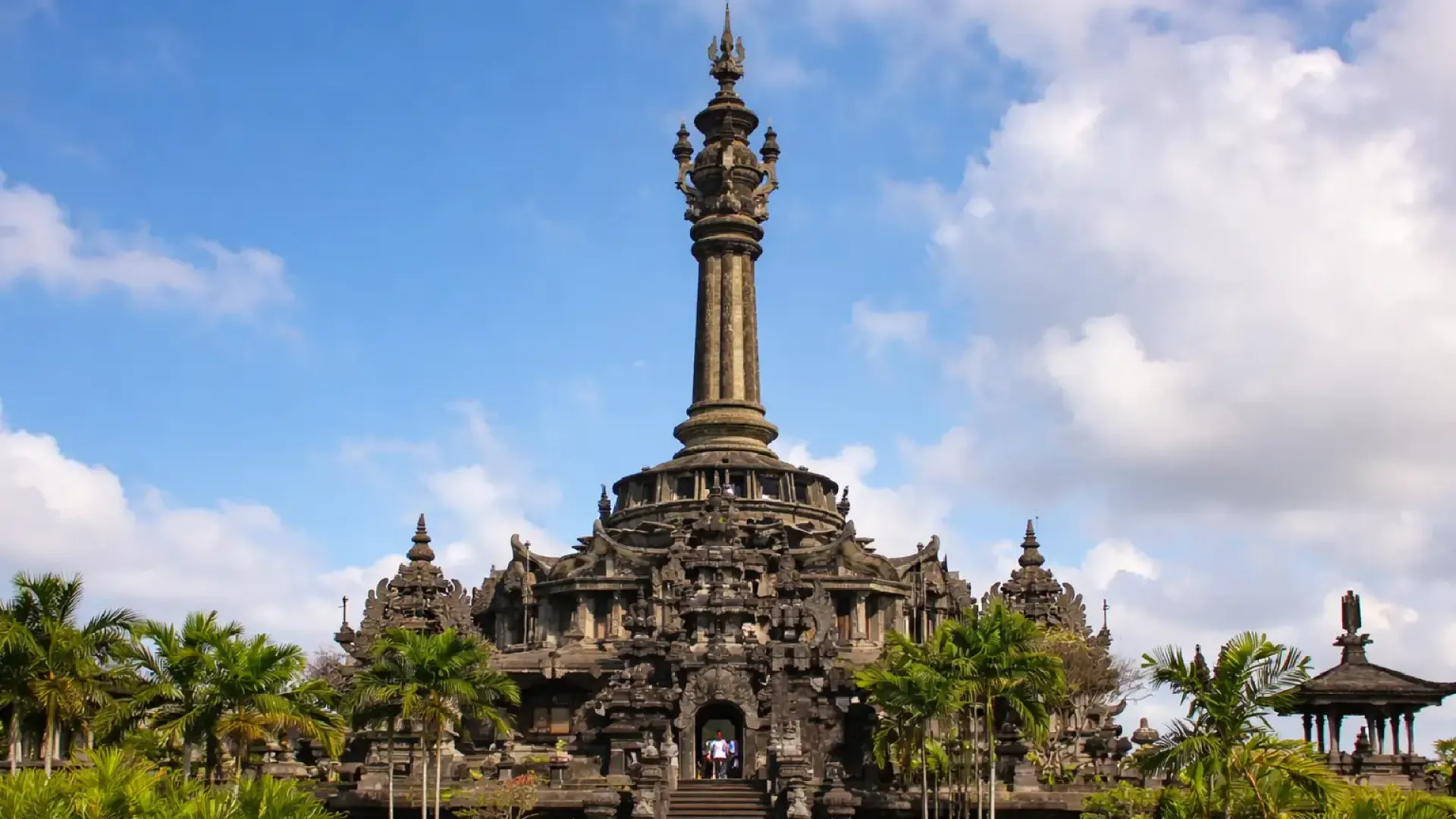
    Located in the heart of Renon, Bajra Sandhi Monument is not a theme park attraction. It is a monument built to honor the struggles of the Balinese people.

    For locals, the ticket has traditionally been symbolic. Around IDR 10,000, often for domestic visitors, students, or locals. The higher figure of IDR 100,000 usually applies to international tourists or appears in bundled tour pricing. This difference often creates confusion, not deception.

    Inside, the monument is quiet. You walk through dioramas, not crowds. The lighting is soft, the pace unhurried. It does not try to entertain you. It invites you to observe.

    Reflection

    If you expect spectacle, you may feel underwhelmed. But if you value context, Bajra Sandhi offers something rare in Bali. It explains why ceremonies matter. Why silence can be powerful. Why resistance is part of Balinese identity.

    Conclusion

    So is Bajra Sandhi Monument worth it? Yes, if you seek understanding rather than Instagram thrills. The value is not in the ticket price, but in the perspective you gain walking its circular corridors.

  • Pura Ulun Danu Batur: The Sacred Water Temple of Kintamani with a Hidden Chinese Shrine

    Pura Ulun Danu Batur: The Sacred Water Temple of Kintamani with a Hidden Chinese Shrine

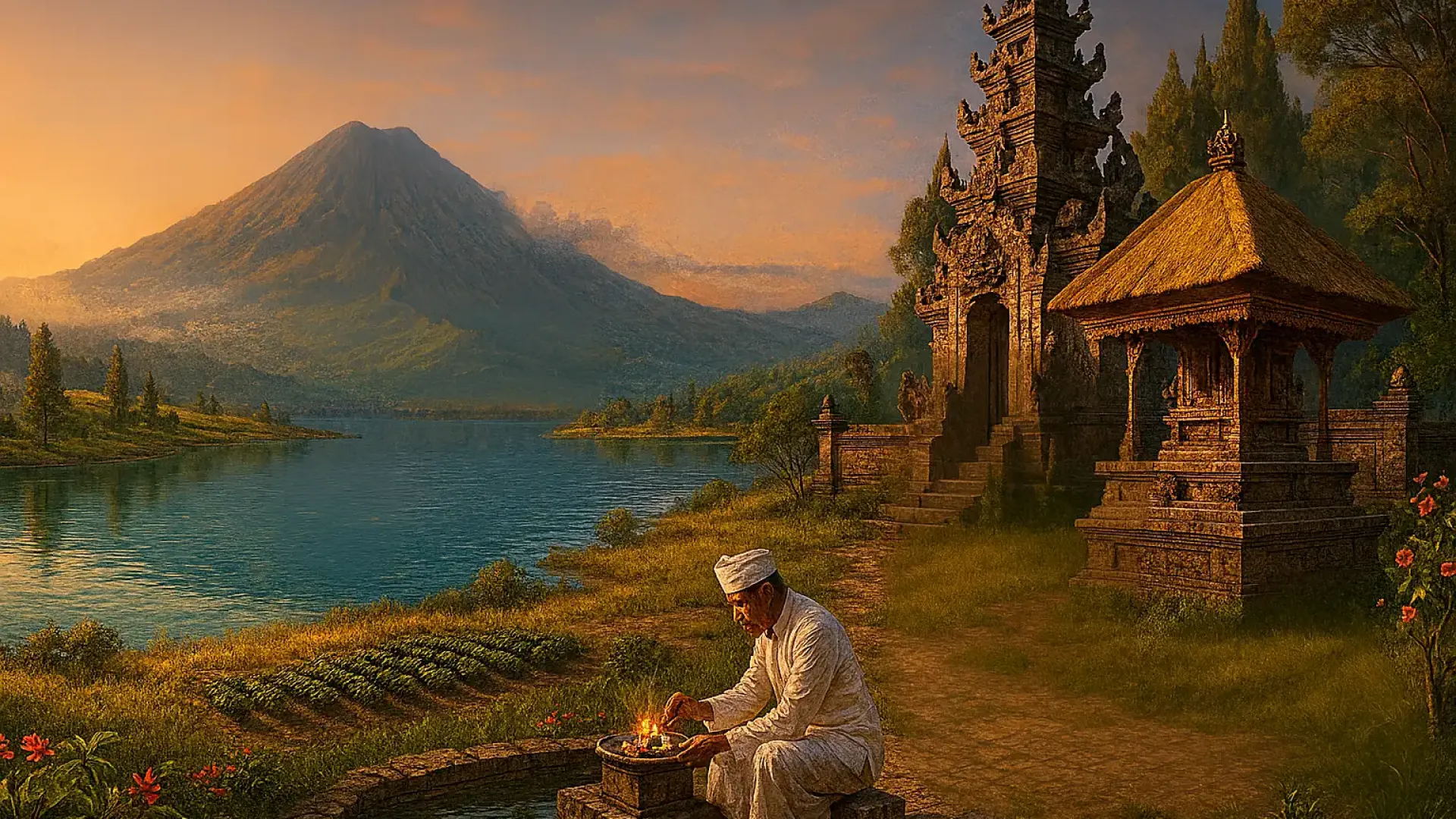
    Rising high above the caldera rim of Mount Batur, Pura Ulun Danu Batur stands as one of Bali’s most sacred Hindu water temples. Nestled in Desa Batur, Kecamatan Kintamani, Bangli, it overlooks the tranquil expanse of Lake Batur, the spiritual heart of the region.

    Arround 5 kilometers from Penelokan Kintamani, this temple embodies a deep union of spirituality, history, and intercultural harmony, a place where faith flows as continuously as the mountain springs that feed the lake below.

    The Highland Setting: Desa Batur in Kintamani

    Perched 1,459 meters above sea levelPura Ulun Danu Batur graces the cool highlands of northern Bali. The surrounding Desa Batur is alive with rituals, morning mists, and the sound of temple bells echoing through volcanic slopes. From here, one can gaze toward Penelokan Viewpoint, where the sunrise spills gold across Mount Batur and Lake Batur, a moment of serenity that captures the essence of Kintamani’s spiritual landscape.

    History and Resilience of Pura Ulun Danu Batur

    Historical records trace Pura Ulun Danu Batur back to the 17th century, when it was first built along the lake’s edge to honor Dewi Danu, goddess of water and fertility. She is revered as the protector of subak, Bali’s intricate irrigation system that sustains the island’s rice terraces.

    The temple’s story is one of survival. When Mount Batur erupted in 1917, lava engulfed the sacred site. Yet, undeterred, the villagers of Desa Batur carried the temple’s sacred relics uphill. In 1926, they rebuilt it on higher ground, the very spot it occupies today, symbolizing both resilience and devotion. The Ulun Danu Batur history thus mirrors the Balinese spirit itself: steadfast, adaptable, and deeply connected to nature’s rhythm.

    A Hidden Chinese Shrine: Klenteng Batur

    Within the sacred walls of Pura Ulun Danu Batur lies a lesser-known marvel, the Klenteng Batur, a Chinese temple in Bali devoted to Shui Xian Zun Wang, the Chinese deity of water and harvest.

    Centuries ago, Chinese settlers and traders who arrived in Kintamani built this shrine as an act of reverence and gratitude. Over time, their beliefs intertwined harmoniously with local Hindu practices, forming a living symbol of religious tolerance and cultural fusion.

    Today, one can still see Balinese Hindus and Chinese devotees praying side by side, incense smoke mingling with temple offerings. The scene is both ordinary and extraordinary, a quiet testament to the open-hearted spirituality of Bangli Bali.

    Sacred Function and Ceremonies

    As one of Bali’s nine directional temples (Kahyangan Jagat)Pura Ulun Danu Batur serves to protect the island from the northeast. It also ensures balance between humans, nature, and the divine.

    The temple’s Piodalan Festival, held annually on Buda Umanis Prangbakat, lasts for 11 days. During this time, thousands of devotees in vibrant attire ascend to Kintamani, bearing gebogan, towers of fruit and flowers, to express gratitude to Dewi Danu. The air fills with gamelan music, incense, and color, making it one of Bali’s most enchanting spiritual spectacles.

    Architecture and Dual Identity

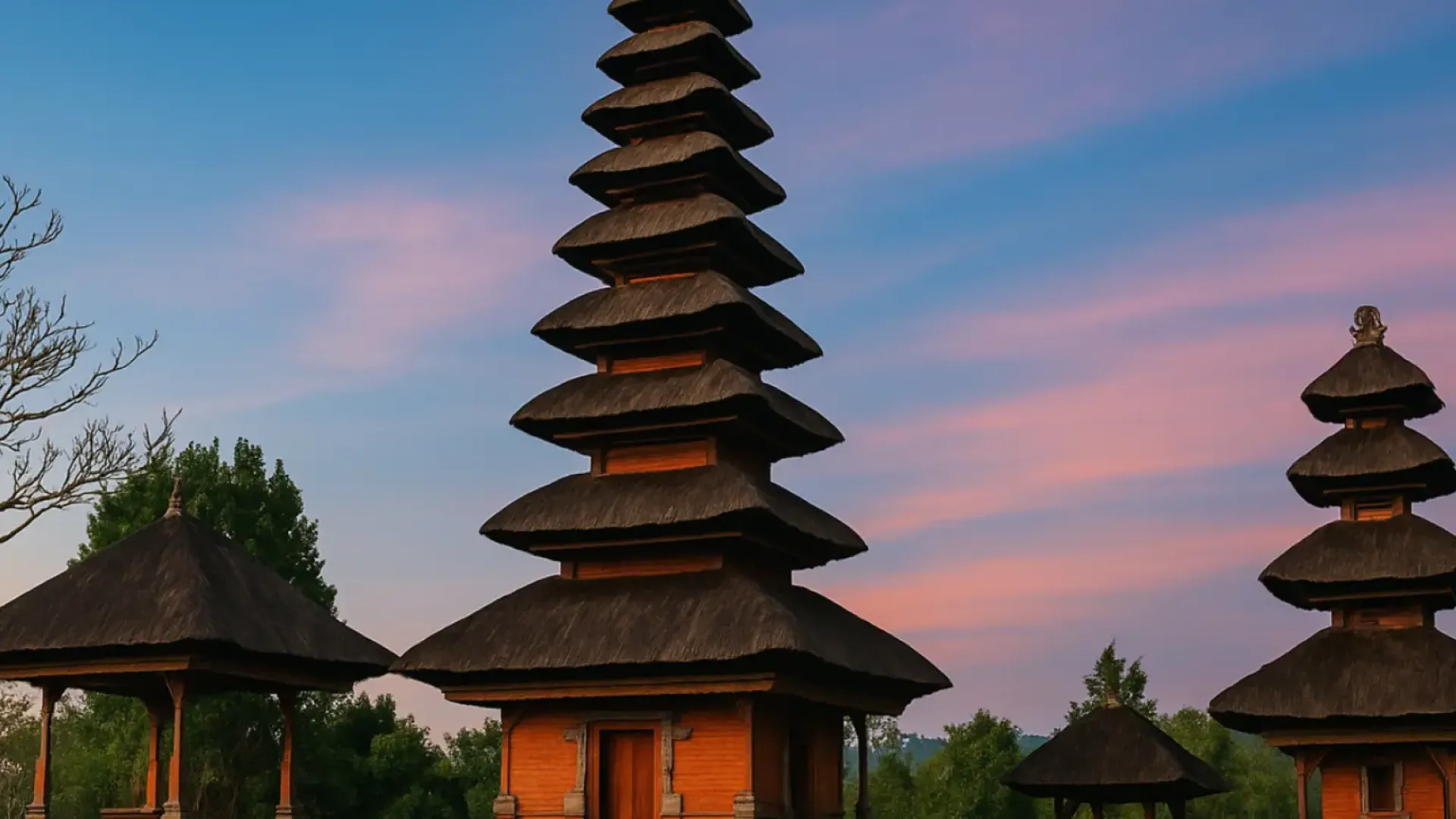
    The temple complex features nine courtyards, representing the cosmic layers of the universe, and 11 multi-tiered meru towers dedicated to various deities. Carved from volcanic stone, the gates (candi bentar) and pavilions shimmer softly in the mountain light.

    In striking contrast, the Klenteng Batur section glows in red and gold, with ornate dragons curling along the eaves and lanterns swaying gently in the breeze. Together, they form a visual symphony, Hindu solemnity beside Chinese vibrance, that reflects the soul of Pura Ulun Danu Batur: one spirit, many expressions.

    Visiting Guide

    • From Penelokan: around 5 km (10 minutes) by scooter or car.
    • Best time: early morning or sunset for the calmest atmosphere and best light.
    • Dress code: a sarong and sash are required and can be borrowed at the entrance.
    • Etiquette: maintain silence during ceremonies and refrain from entering inner sanctums.

    Conclusion

    More than just a water temple in BaliPura Ulun Danu Batur is a living mosaic of faith, resilience, and unity. Its sacred courtyards in Kintamani preserve centuries of devotion, while the Chinese shrine within whispers stories of harmony between cultures.

    A brief journey from Penelokan reveals not only architectural beauty but also the enduring spirit of Balinese heritage, where gods, nature, and people coexist in delicate balance. In the stillness of Desa Batur, the temple stands as both sanctuary and symbol, proof that faith, like water, always finds its way.

  • A Complete Breakdown of Besakih Temple Entrance Fees & Facilities (Know Before You Go)

    A Complete Breakdown of Besakih Temple Entrance Fees & Facilities (Know Before You Go)

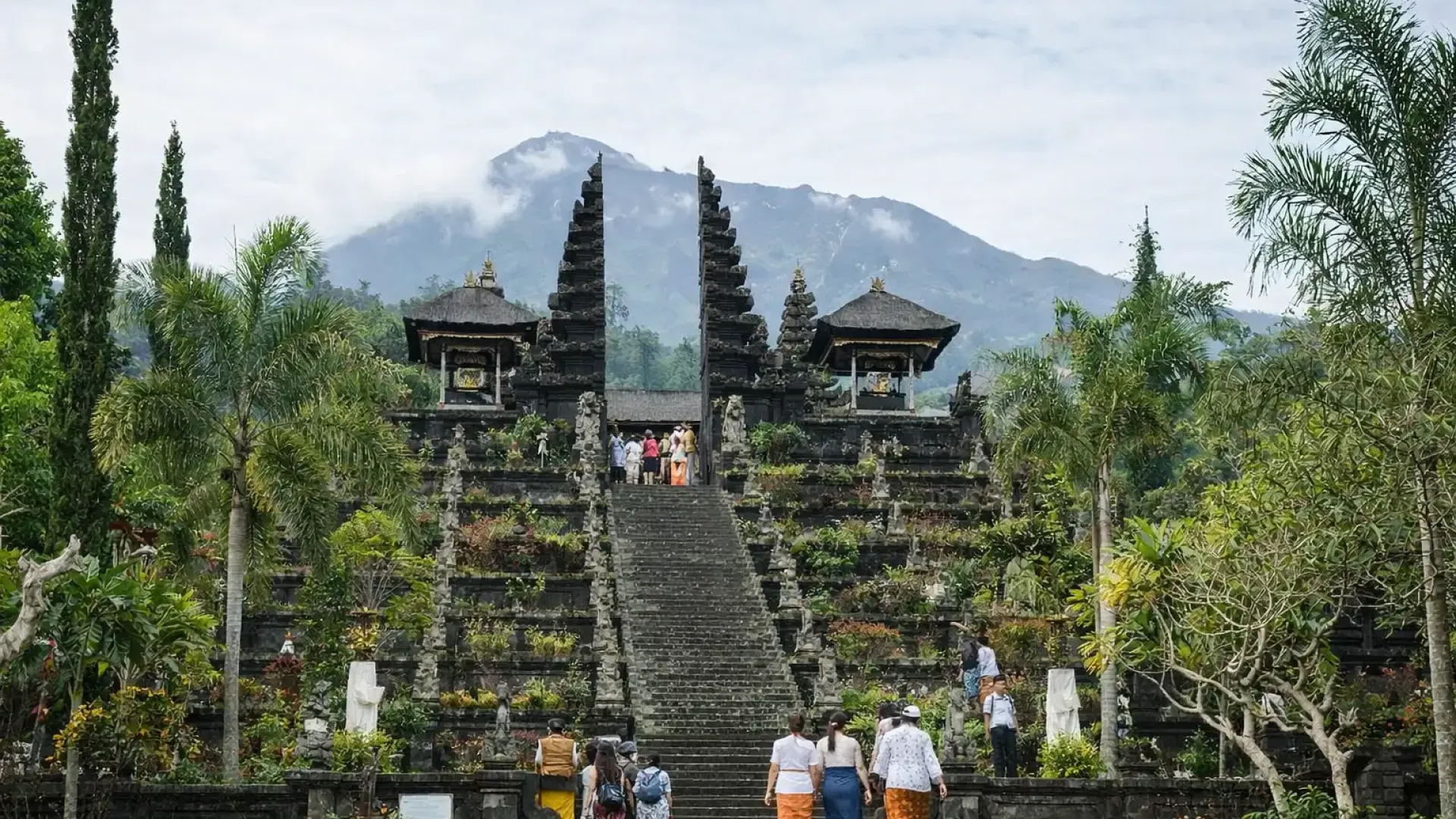
    Before visiting Besakih Temple, many travelers ask the same practical question: How much does it cost, and what do I actually get? As the Bali Mother Temple, Besakih has undergone significant improvements to make visits more organized, respectful, and comfortable without losing its sacred character.

    This guide breaks down entrance fees, facilities, and logistics so you can arrive prepared and focus on the experience rather than the confusion.

    Entrance Fees at Besakih Temple

    At Pura Besakih, the entrance system is centralized and transparent. IDR 80, 000 for domestic, and IDR 150, 000 for foreign tourist (https://www.besakih.org/).

    Your ticket typically includes:

    • Official entrance fee
    • Sarong and sash rental
    • Insurance coverage
    • Access to main temple zones

    This system helps protect visitors while maintaining temple dignity.

    What’s Included in the Ticket (And Why It Matters)

    Unlike many temples in Bali, Besakih’s ticket is designed to reduce hidden costs.

    Included benefits:

    • No need to rent sarongs separately
    • No repeated donation requests inside main areas
    • Organized entry reduces random solicitation

    For first-time visitors, this makes the experience far less stressful.

    Shuttle Bus and Buggy System

    One of the most appreciated upgrades is the shuttle and buggy service.

    How it works:

    • Large parking area at the base
    • Electric buggies transport visitors uphill
    • Drop-off near the main temple complex

    This system:

    • Reduces physical strain
    • Limits vehicle congestion
    • Preserves the sacred environment

    It also makes Besakih more accessible for families and older travelers.

    Facilities You Can Expect

    Besakih Temple now offers facilities that match its importance.

    Available on-site:

    • Clean restrooms
    • Designated walking paths
    • Clear signage
    • Staff assistance

    These improvements allow visitors to move calmly through the complex without disrupting religious activity.

    The Role of Local Guides

    Local guides are present and can be extremely informative.

    What they offer:

    • Explanation of temple hierarchy
    • Cultural and spiritual context
    • Guidance through large complex areas

    Traveler tip:

    • Guides are optional
    • Politely agree on tipping expectations early
    • A short guided session is often enough

    For deeper cultural insight, see The Most Sacred Ceremonies at Pura Besakih.

    Hidden Costs to Be Aware Of

    While the main ticket covers most needs, keep small cash for:

    • Optional guide tips
    • Small offerings
    • Snacks or drinks near the parking area

    Knowing this upfront prevents awkward moments later.

    Best Time to Use Facilities Comfortably

    Facilities are best enjoyed:

    • Early morning before tour buses arrive
    • Late afternoon after peak hours

    For strategic timing, refer to How to Visit Pura Besakih Without the Crowds.

    How Fees Support the Temple

    Entrance fees help fund:

    • Temple maintenance
    • Facility upkeep
    • Community and ceremonial needs

    This ensures Besakih remains a living spiritual center, not a commercial attraction.

    Conclusion

    Understanding the entrance fees and facilities at Besakih Temple allows you to visit with confidence and respect. Everything is designed to support a smooth, dignified experience worthy of Bali’s most sacred site.

  • Pura Balingkang: History, Chinese Influence, and the Legacy of Jayapangus

    Pura Balingkang: History, Chinese Influence, and the Legacy of Jayapangus

    Perched deep in the misty highlands of Kintamani, Pura Balingkang remains one of Bali’s most culturally significant temples. It is a meeting point between Balinese Hindu tradition and centuries-old Chinese influence, shaped by the legendary marriage between Raja Jayapangus and Kang Ching Wie. Their story forms one of the island’s most important cross-cultural narratives, reflected in both ritual and collective memory.

    Reaching Pura Balingkang is a journey through layers of history. Travelers enter via Sukawana Village, a quiet highland community known for its crisp air and terraced farms. The road continues toward the ancient sanctuary of Pura Pucak Penulisan before dropping sharply into pine forest. Here the air thickens with the scent of resin and earth. When the trees part, the dramatic caldera of Mount Batur opens like a vast amphitheater. This route mirrors the temple’s identity: a meeting of cultures shaped by trade, movement, and the landscape itself.

    Historical Background

    The roots of Pura Balingkang trace back to the twelfth century during the reign of Raja Jayapangus. His era marked a period of expanding trade and growing interaction between Bali and merchants from greater Asia. Among these encounters emerged the story of Kang Ching Wie, a woman of Chinese heritage whose family was involved in regional trading routes.

    Their union symbolizes more than romance; it represents cultural exchange, political openness, and the merging of two distinct worlds. Over time, both figures were venerated as Ratu Ngurah and Ratu Gede Mas Balingkang. Their deification honors prosperity, protection, and harmony between cultures.

    Chinese Influence in Pura Balingkang

    The clearest evidence of Chinese influence at Pura Balingkang is the presence of kepeng coins, known in Bali as pis bolong. These round metal coins with square centers were once used in China during the Song and Yuan dynasties. Thousands of pis bolong have been found in the Kintamani region and are now considered sacred objects within Balinese ceremonial practice.

    In Balinese belief, pis bolong symbolizes prosperity, protection, and the harmonious union of male and female energies. Offerings such as bebangkit, daksina, and pejati often incorporate pis bolong to represent balance and abundance.

    The Legend of Jayapangus and Kang Ching Wie

    Balinese oral tradition recounts that Jayapangus was captivated by the beauty and wisdom of Kang Ching Wie. Their marriage became a powerful symbol of unity, though some versions of the legend include resistance and divine trials. Many tellings end in tragedy, yet their spirits are believed to have ascended into divine realms.

    Today, worshippers come to Pura Balingkang seeking blessings for prosperity, harmonious families, and safe travel, honoring the couple not only as historical figures but as protective deities.

    The Route to Pura Balingkang

    The journey to Pura Balingkang is as meaningful as the temple itself. After entering through Sukawana Village, the road climbs toward Pura Pucak Penulisan, one of Bali’s oldest sites of mountain worship. As the path descends, pine forests envelop travelers in quiet solitude. When the forest opens, sweeping views of Mount Batur and its dark volcanic terrain create a dramatic sense of arrival.

    This landscape reinforces the temple’s character as a place removed from ordinary life, preparing visitors for its historical and spiritual depth.

    Architecture and Temple Layout

    Architecturally, Pura Balingkang follows traditional Balinese Hindu design with split gates, courtyards, and shrines dedicated to divine aspects. Yet its distinguishing features lie in the integration of Chinese cultural elements. Kepeng coins appear in carvings, shrines, and ritual structures, while certain artistic motifs show subtle Chinese influence.

    Although these elements enrich the temple’s character, the core layout remains true to Balinese sacred architecture. The blend reflects how Balinese culture has historically adapted external influences while maintaining its identity.

    Cultural Significance Today

    Today, Pura Balingkang is a living heritage site. During its Piodalan and on auspicious days in the Balinese calendar, kepeng coins take a central role in rituals. Local communities uphold the legacy of Jayapangus and Kang Ching Wie as guardians of prosperity and unity.

    The temple also illustrates Bali’s long-standing openness to exchange and migration. Rather than existing in isolation, Balinese culture has evolved through continuous interaction with other civilizations.

    Pura Balingkang and the Balinese Economy

    The arrival of kepeng coins shaped more than ritual life. For centuries, kepeng functioned as a form of currency and later became key to ceremonies and social rites. Their association with prosperity reinforces the temple’s broader narrative: that economic life and spiritual identity are deeply connected in Bali.

    Even today, kepeng remains essential in weddings, temple festivals, and agricultural rituals, linking ancient trade routes to modern Balinese practices.

    Symbolism Within the Temple Narrative

    At its core, Pura Balingkang represents layers of meaning:

    • Harmony between cultures
    • Balance of masculine and feminine energies
    • Integration of trade, spirituality, and community life
    • Acceptance of diversity within Balinese identity

    These layers reveal that Balinese culture is strengthened through openness and adaptation rather than separation.

    Preservation and Heritage

    Growing interest in Balinese cultural heritage has drawn attention to Pura Balingkang as a key site for understanding Bali’s pre-Majapahit history. Preservation efforts now focus on safeguarding both the temple’s physical structures and the stories surrounding it.

    The legacy of Kang Ching Wie also highlights the often-overlooked role of women of foreign origin in shaping Balinese history, adding depth to contemporary cultural studies.

    Conclusion

    Pura Balingkang stands as one of Bali’s most meaningful cultural landmarks. Its history reflects the meeting of Balinese kingship and Chinese influence through the bond of Jayapangus and Kang Ching Wie. The temple’s journey through Sukawana Village, Pucak Penulisan, pine forests, and the vast Batur landscape amplifies its timeless quality.

    As Bali continues to evolve, Pura Balingkang reminds us that cultural identity thrives through connection, exchange, and shared meaning.

  • Pura Ulun Danu Batur: History, Sacred Landscape, and Cultural Importance in the Heart of Kintamani

    Pura Ulun Danu Batur: History, Sacred Landscape, and Cultural Importance in the Heart of Kintamani

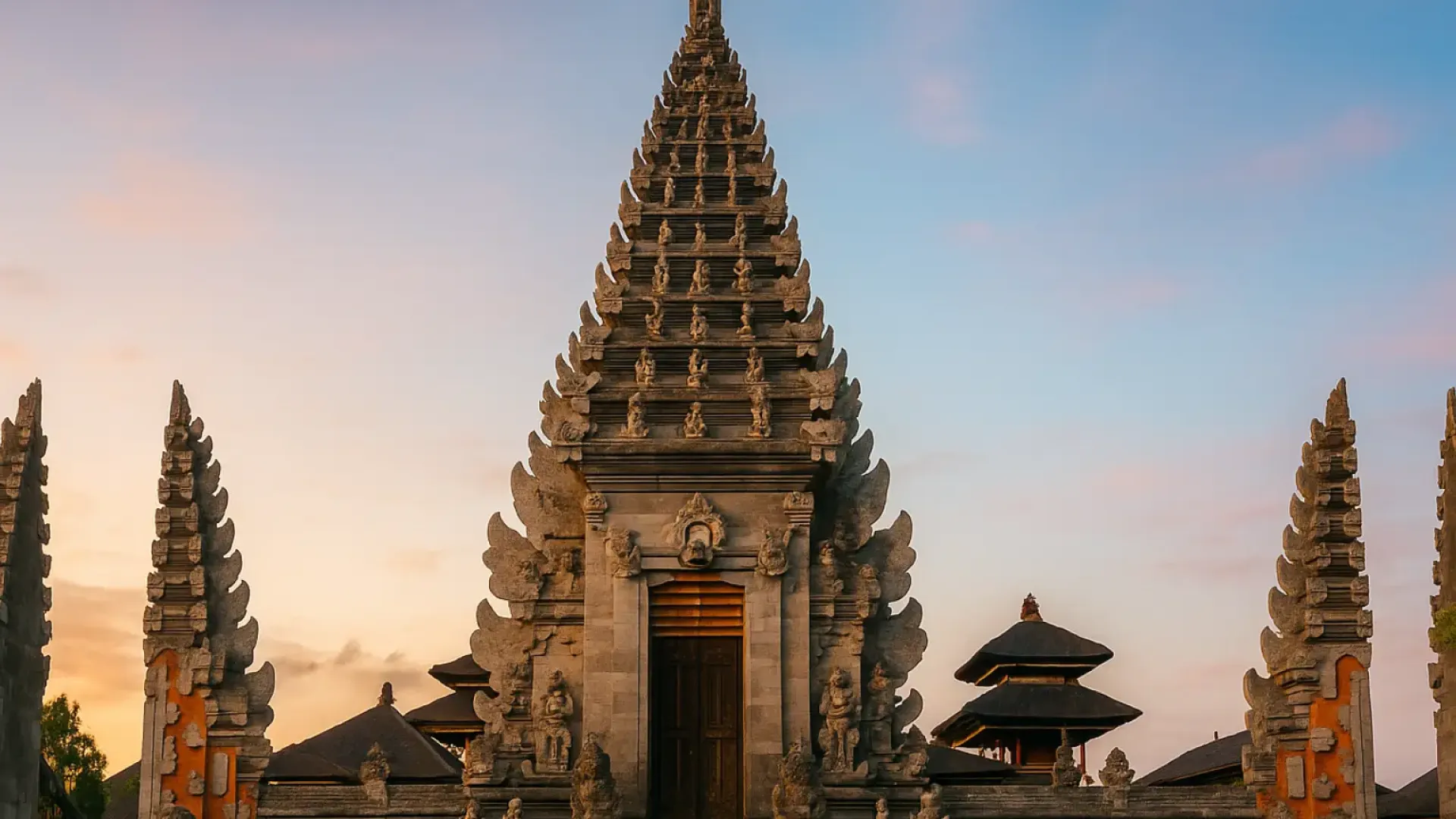
    Pura Ulun Danu Batur is one of the most important temples in Bali and stands as a guardian of the island’s water sources, agriculture, and spiritual order. Located on the highlands of Kintamani, the temple is deeply tied to the landscape of Mount Batur and Lake Batur. These natural features shape the rhythm of life for the surrounding communities and hold great significance in Balinese cosmology.

    This temple is considered the second most important temple in Bali after Pura Besakih. As the center of worship for Dewi Danu, the goddess of water and rivers, Pura Ulun Danu Batur is part of the network of temples that maintain the harmony of water distribution throughout traditional farming systems across Bali. Its spiritual influence extends far beyond the villages surrounding the lake.

    The temple’s presence today is the result of a long historical journey marked by volcanic eruptions, community resilience, and the deep connection between people and their natural environment. Pura Ulun Danu Batur stands not only as a sacred place of worship but also as a testimony to the way Balinese people preserve cultural identity through devotion and adaptation.

    Historical Background of Pura Ulun Danu Batur

    Before the twentieth century, Pura Ulun Danu Batur was located much closer to the caldera floor at the foot of Mount Batur. The original temple stood near the shores of Lake Batur for centuries and served as a central spiritual landmark for communities dependent on the lake’s water.

    In 1917, Mount Batur erupted violently. Although the eruption destroyed surrounding settlements, the main shrine of the temple miraculously survived. This event strengthened the belief of local communities in the spiritual power of Dewi Danu and the sanctity of the temple.

    In 1926, Mount Batur erupted again with even greater intensity. This time the lava flow buried the entire village and much of the temple complex. Only one part of the temple remained standing above the solidified lava. After this catastrophe, the community decided to relocate the temple to a safer and higher location on the caldera ridge. With great devotion, the villagers moved the surviving structure and rebuilt the temple in its present location.

    This relocation marked the transformation of Pura Ulun Danu Batur into one of the most significant upland temples in Bali. Its elevated setting strengthened its symbolic connection to the mountains, lakes, and sources of water that nourish the island.

    Mythology and Spiritual Meaning

    The central deity worshiped at Pura Ulun Danu Batur is Dewi Danu, the goddess who governs lakes, rivers, irrigation systems, and the life force of water. In the Balinese worldview, water represents spiritual purity, balance, fertility, and the continuity of life. Worship at this temple reflects the need to maintain harmony between human activities and the natural environment.

    Balinese mythology views Mount Batur and Lake Batur as the spiritual origins of water that flows through the island. The temple plays a key role in rituals supporting agriculture, including ceremonies for blessing crops, ensuring rainfall, and securing the well being of farming communities.

    The presence of the caldera lake reinforces the belief that this place is a sacred axis where natural and spiritual forces meet. The temple’s elevated location is seen as a point of connection between human prayer and the realm of the divine.

    The Temple Complex

    Today the Pura Ulun Danu Batur complex consists of multiple courtyards, shrines, and pavilions. Many of the structures were built after the relocation in 1926 but follow traditional Balinese architectural principles. The temple design emphasizes spatial harmony, symbolic boundaries, and the orientation toward Mount Batur and Lake Batur.

    Key areas of the temple include:

    • Jaba The outer courtyard, used for preliminary rituals and preparation.
    • Jaba Tengah The middle courtyard where many ceremonial activities are held.
    • Jeroan The innermost and most sacred area with shrines dedicated to Dewi Danu and other deities.

    The shrines within the temple reflect connections to mountain worship, lake guardianship, and agricultural prosperity. Ceremonial decorations often include elements symbolizing water, fertility, and purification.

    Pura Segara Ulun Danu Batur

    Within the same spiritual network lies Pura Segara Ulun Danu Batur, a temple associated with the lake itself. It plays a complementary role by serving as the site for rituals connected to water purity and ceremonies involving natural elements drawn from the lake.

    The relationship between the main Pura Ulun Danu Batur on the caldera ridge and Pura Segara Ulun Danu Batur near the water reflects the balance between higher and lower realms. This duality mirrors foundational Balinese concepts related to cosmology, spatial orientation, and ritual practice.

    Google impressions showing queries related to Segara Ulun Danu Batur indicate rising search interest in the deeper structure of the temple network. Adding this section strengthens topical authority for the cluster.

    The Surrounding Landscape

    The environment around Pura Ulun Danu Batur is part of its identity. The temple sits on the rim of one of the largest volcanic calderas in Indonesia. The sweeping panorama of Mount Batur rising above the lake creates a powerful backdrop that reinforces the temple’s spiritual atmosphere.

    Travelers approaching the temple from the northern or eastern side often pass through pine forests, volcanic slopes, and farmlands that reflect Kintamani’s unique climate and geology. The landscape shifts from dense vegetation to open ridges offering dramatic views of the caldera.

    This setting allows visitors to understand how closely Balinese spirituality is connected to the natural world. Every element of the environment contributes to the sacred character of the temple.

    Rituals and Ceremonies

    Pura Ulun Danu Batur hosts numerous ceremonies throughout the year. Many of these rituals relate to water, agriculture, purification, and natural balance.

    Major ceremonies include:

    Odalan Pura Ulun Danu Batur

    An annual festival celebrating the anniversary of the temple. It involves days of prayers, offerings, dance performances, and processions.

    • Rituals for agriculture: These include blessings for planting, harvesting, and irrigation flow.
    • Rituals connected to the lake: Water taken from Lake Batur is believed to hold spiritual purity and is used in ceremonies across Bali.
    • Ceremonies for natural balance: Rituals are held to harmonize human activity with environmental forces, especially those linked to the volcano.

    The temple also participates in major Balinese events such as Galungan, Kuningan, Saraswati, Pagerwesi, Purnama, and Tilem. Its role in the lunar calendar system is important for sustaining cultural continuity across the island.

    Connection to Other Temples in the Region

    Pura Ulun Danu Batur is closely linked to other sacred sites around Mount Batur.

    Pura Pucak Penulisan

    One of the oldest temples in Bali, located at a high elevation. It is believed to be connected to the ancient kings of Bali. Many travelers visiting Ulun Danu Batur combine their journey with a stop at Pucak Penulisan due to its historical significance.

    Pura Balingkang

    Located higher in Kintamani, this temple is associated with the legend of Jayapangus and Kang Ching Wie. The historical connection between Balingkang and the larger Batur region reflects the long standing presence of Chinese influence in Bali. The widespread use of kepeng coins in rituals at Ulun Danu Batur shows how cultural connections from the past continue to shape the present.

    Pura Jati

    A temple near the lake that plays a role in ceremonies related to water purification. These interconnected temples form a sacred network that supports the cultural and ecological balance of the region.

    Cultural and Environmental Preservation

    Due to its historical and spiritual importance, efforts are ongoing to preserve the temple and the natural environment surrounding it. Local communities play a central role in maintaining the temple and conducting ceremonies that connect modern life with ancient practice.

    The caldera landscape is fragile, and environmental protection efforts aim to balance tourism, agriculture, and sacred geography. Lake Batur remains a crucial resource for water supply and spiritual activity. Protecting its purity is essential for sustaining the rituals associated with Dewi Danu.

    Pura Ulun Danu Batur is more than a temple. It is a symbol of resilience, balance, and devotion. Its history traces the relationship between people and the forces of nature. Its rituals uphold the harmony of water, agriculture, and spiritual life across Bali. Its landscape tells the story of eruptions, renewal, and cultural continuity.

    As a central temple in the Balinese spiritual hierarchy, Pura Ulun Danu Batur connects communities to their ancestors, to the mountains and lakes that define the region, and to the traditions that continue to shape Balinese identity. Through its ceremonies, architecture, and scenery, the temple stands as one of the most important cultural landmarks in Bali.
  • Why Mengiat Beach Is One of the Calmest Beaches in Nusa Dua

    Why Mengiat Beach Is One of the Calmest Beaches in Nusa Dua

    When travelers talk about Bali, they often picture crowded coastlines, busy beach clubs, and constant movement. Yet there is another side of the island that reveals itself quietly. Mengiat Beach is one of the calmest beaches in Nusa Dua, and it remains that way not by accident, but by design.

    As someone who grew up in Bali, I have watched how different beaches evolve. Some become louder. Some become trend driven. Mengiat Beach stays consistent. It offers space, order, and a kind of calm that feels intentional rather than curated.

    A Beach That Breathes Slowly

    The first thing you notice at Mengiat Beach is the absence of urgency. There is no rush to claim space, no background music competing with the sea, and no aggressive activity pulling your attention away.

    The shoreline is wide, the sand is soft, and the water meets the beach gently. People walk without purpose other than enjoying the moment. Children play without shouting. Couples sit quietly, often reading or simply watching the water.

    This calm rhythm defines Mengiat Beach and sets it apart from many other beaches in South Bali.

    The Role of ITDC in Preserving Calm

    One of the key reasons Mengiat Beach feels so different is its location inside ITDC Nusa Dua. This area was developed with long term planning in mind. Building density is controlled. Beach access is clear. Green spaces are preserved.

    There are no spontaneous pop up bars or loud roadside stalls here. Instead, the beach is framed by resorts that respect distance and visual balance. The result is an environment that feels open and breathable.

    This structure may feel subtle, but it directly impacts how visitors experience the beach. Calm does not happen by chance. It is supported by space, order, and restraint.

    Gentle Waves and Safe Swimming

    Another reason Mengiat Beach is often described as one of the calmest beaches in Nusa Dua is its sea condition. The waves here are small and predictable, especially during the morning and early afternoon.

    This makes the beach ideal for light swimming, floating, or simply standing in the water without being pulled by strong currents. Families with children often feel more comfortable here, as do older travelers who prefer gentle conditions.

    There is no pressure to perform or participate. You enter the water at your own pace, or not at all.

    A Clean and Walkable Shoreline

    Walking along Mengiat Beach is one of its quiet pleasures. The sand is compact and clean, making it easy to walk barefoot without effort. Unlike beaches where erosion or heavy traffic damages the shoreline, this one remains smooth and consistent.

    Early walkers often share the beach with only a few others. Some walk alone. Some walk hand in hand. Others stop occasionally to look at the water. The beach invites slowing down rather than moving on.

    This walkability is frequently mentioned in positive visitor reviews and is a major reason why many return to Mengiat Beach repeatedly.

    Calm Does Not Mean Isolated

    Despite its peaceful atmosphere, Mengiat Beach is far from inconvenient. It is located within easy reach of Ngurah Rai International Airport, with a travel time of approximately 20 to 25 minutes.

    This balance is rare in Bali. You are close enough to arrive quickly after a long flight, yet far enough to avoid the chaos associated with busier beach towns.

    Nearby facilities, restaurants, and walking paths inside Nusa Dua are accessible without overwhelming the beach itself. Calm here does not mean disconnected. It means well positioned.

    Who Will Appreciate Mengiat Beach the Most

    Mengiat Beach attracts a specific type of traveler. Those who seek stimulation may find it too quiet. Those who seek peace often find exactly what they need.

    It is ideal for couples looking for uninterrupted time, solo travelers who enjoy reflection, families who value safety, and travelers who prefer mornings and long walks over nightlife.

    It also suits those who may feel overwhelmed by crowded destinations and want to experience Bali without constant sensory input.

    A Different Definition of Luxury

    In Bali today, luxury is often associated with exclusivity, price, or spectacle. Mengiat Beach offers a different definition. Here, luxury is space. Luxury is silence. Luxury is the ability to hear the sea without distraction.

    You do not need reservations or schedules. You do not need to dress for attention. You simply arrive and stay as long as you want.

    This understated luxury is what keeps Mengiat Beach consistently calm and deeply appreciated by those who discover it.

    Reflection: Calm as a Choice

    Bali has many beaches, but not all of them allow you to rest fully. Mengiat Beach reminds us that calm is not the absence of beauty or experience. It is the presence of balance.

    In a world that often encourages movement, noise, and constant activity, choosing a calm beach is an intentional act. It is choosing quality over quantity, depth over display.

    Closing Thoughts

    If you are searching for one of the calmest beaches in Nusa Dua, Mengiat Beach stands quietly ready. Clean, gentle, accessible, and thoughtfully managed, it offers a version of Bali that feels sustainable and sincere.

    Sometimes the most memorable places are not the loudest or the most photographed. They are the ones that allow you to slow down and stay present. Mengiat Beach does exactly that.

  • Sunrise at Mengiat Beach: A Peaceful Morning in Bali’s ITDC Area

    Sunrise at Mengiat Beach: A Peaceful Morning in Bali’s ITDC Area

    There is a different version of Bali that most travelers never see. It appears quietly, just before the island wakes up. Sunrise at Mengiat Beach reveals that version in full clarity. Soft light, empty shoreline, gentle waves, and a sense of calm that feels almost private. Located inside the ITDC Nusa Dua area, Mengiat Beach offers one of the most peaceful sunrise experiences in South Bali, only minutes from the airport yet far removed from the crowds.

    As someone born and raised in Bali, I have always believed that the island speaks most honestly in the early morning. Mengiat Beach is one of those places where Bali still whispers instead of shouts.

    A Morning That Begins Without Noise

    Arrive at Mengiat Beach before 6 a.m. The sky is still pale, fishermen are silhouettes, and the air carries a cool salt scent that disappears later in the day. There are no beach clubs preparing speakers, no vendors calling out, and no rush. Just the rhythm of the sea.

    The eastern orientation of the beach makes sunrise feel natural and unforced. Light slowly spills across the horizon, reflecting softly on the calm surface of the water. Unlike the dramatic cliffside sunrises in other parts of Bali, this one is gentle. It is designed for presence, not performance.

    For travelers seeking mindfulness, jet lag recovery, or a quiet first morning after landing, sunrise at Mengiat Beach feels grounding.

    Why Mengiat Beach Feels Different

    The atmosphere of Mengiat Beach is shaped by its location inside ITDC Nusa Dua. This area was designed with controlled development, wide green spaces, and strict zoning. As a result, the beach remains clean, organized, and relatively uncrowded even during high season.

    The sand here is soft and light in color. The waves are small and friendly, especially in the morning, making it ideal for wading or simply walking barefoot along the shoreline. Many positive visitor reviews mention how calm and relaxing the beach feels compared to other beaches in South Bali.

    Sunrise amplifies these qualities. The absence of crowds allows the beach to return to its natural state, where every sound and movement feels intentional.

    Ideal Activities During Sunrise

    Sunrise at Mengiat Beach is not about doing many things. It is about doing simple things slowly.

    Morning walks are the most popular activity. The flat shoreline and compact sand make walking effortless, even for older travelers. Some visitors practice light yoga or stretching near the waterline, while others sit quietly on the sand with coffee brought from their hotel.

    Photography lovers will appreciate the soft pastel colors and natural reflections. Unlike crowded sunrise spots, you will not need to wait or negotiate space. The scene unfolds uninterrupted.

    Swimming is also possible during early hours, as the water is usually calm. The absence of boats and activities makes the experience safe and peaceful.

    Close to the Airport, Far from the Rush

    One of the most practical advantages of Mengiat Beach is its proximity to Ngurah Rai International Airport. The drive takes approximately 20 to 25 minutes, depending on traffic. This makes it an excellent choice for travelers arriving late at night or departing later in the day.

    Many visitors underestimate how valuable this location is. Instead of battling traffic to reach far beaches after a long flight, you can wake up near the sea and still feel that you have truly arrived in Bali.

    How to Get to Mengiat Beach

    Reaching Mengiat Beach is straightforward, even for first time visitors.

    By Trans Metro Dewata

    Public transport is available via Trans Metro Dewata routes that serve the Nusa Dua and ITDC area. You can get off near Bali Collection and continue with a short walk or online ojek to the beach entrance. This option is budget friendly but requires checking the latest route schedules.

    By Taxi or Online Ride

    Taxis and online ride services such as Grab or Gojek are the easiest option. From the airport or most parts of South Bali, the ride is smooth and direct. Early morning rides are especially quick due to minimal traffic.

    By Private Transfer

    For travelers staying inside ITDC or those planning a sunrise visit, a private transfer offers comfort and precise timing. Many hotels can arrange this service upon request.

    Who Sunrise at Mengiat Beach Is Perfect For

    This experience is ideal for travelers who value calm over crowds. Couples looking for quiet moments, solo travelers seeking reflection, families with young children, and older visitors will all find comfort here.

    It is also perfect for short stay travelers who want a meaningful Bali experience without long travel times. If your schedule is tight but your expectations are high, this beach delivers balance.

    Reflection: Bali Before It Performs

    Bali today is often seen through lenses, schedules, and itineraries. Sunrise at Mengiat Beach strips all of that away. It reminds us that Bali does not need to entertain to be beautiful.

    As the sun rises and the light slowly warms the sand, the beach fills with a quiet sense of gratitude. For being here early. For choosing stillness. For witnessing Bali as it was meant to be experienced.

    Closing Thoughts

    If you are searching for a peaceful beginning to your Bali journey, sunrise at Mengiat Beach offers exactly that. Calm waters, soft light, easy access, and an atmosphere shaped by intention rather than trend.

    Sometimes the most memorable moments in Bali happen before breakfast, before crowds, and before the island puts on its daytime face. Mengiat Beach at sunrise is one of those moments.

  • Medewi vs Kuta: Why You Should Head West for Your Next Surf Trip

    Medewi vs Kuta: Why You Should Head West for Your Next Surf Trip

    If you search for Bali surfing on Google, the name Kuta appears first. It always has. But travelers looking deeper, especially those seeking Quiet Surf Spots Bali and a more Authentic Bali experience, often end up asking a different question: Is there another way to surf Bali without the crowds?

    That question leads west, to Medewi.

    This comparison of Medewi vs Kuta is not about which beach is better. It is about which beach fits the kind of journey you are looking for.

    Medewi vs Kuta: Two Very Different Faces of Bali

    Medewi: Long Lefts and Village Rhythm

    Medewi Beach sits on Bali’s west coast, far from the airport traffic and nightlife hubs. Medewi is famous among surfers for its long, flowing left-hand wave, but its real character lies on land.

    Medewi offers:

    • Long left-hand waves ideal for intermediate to advanced surfers
    • A rocky reef bottom and black volcanic sand
    • Quiet lineups and uncrowded sessions
    • A strong local fishing culture
    • A calm village atmosphere where daily life comes first

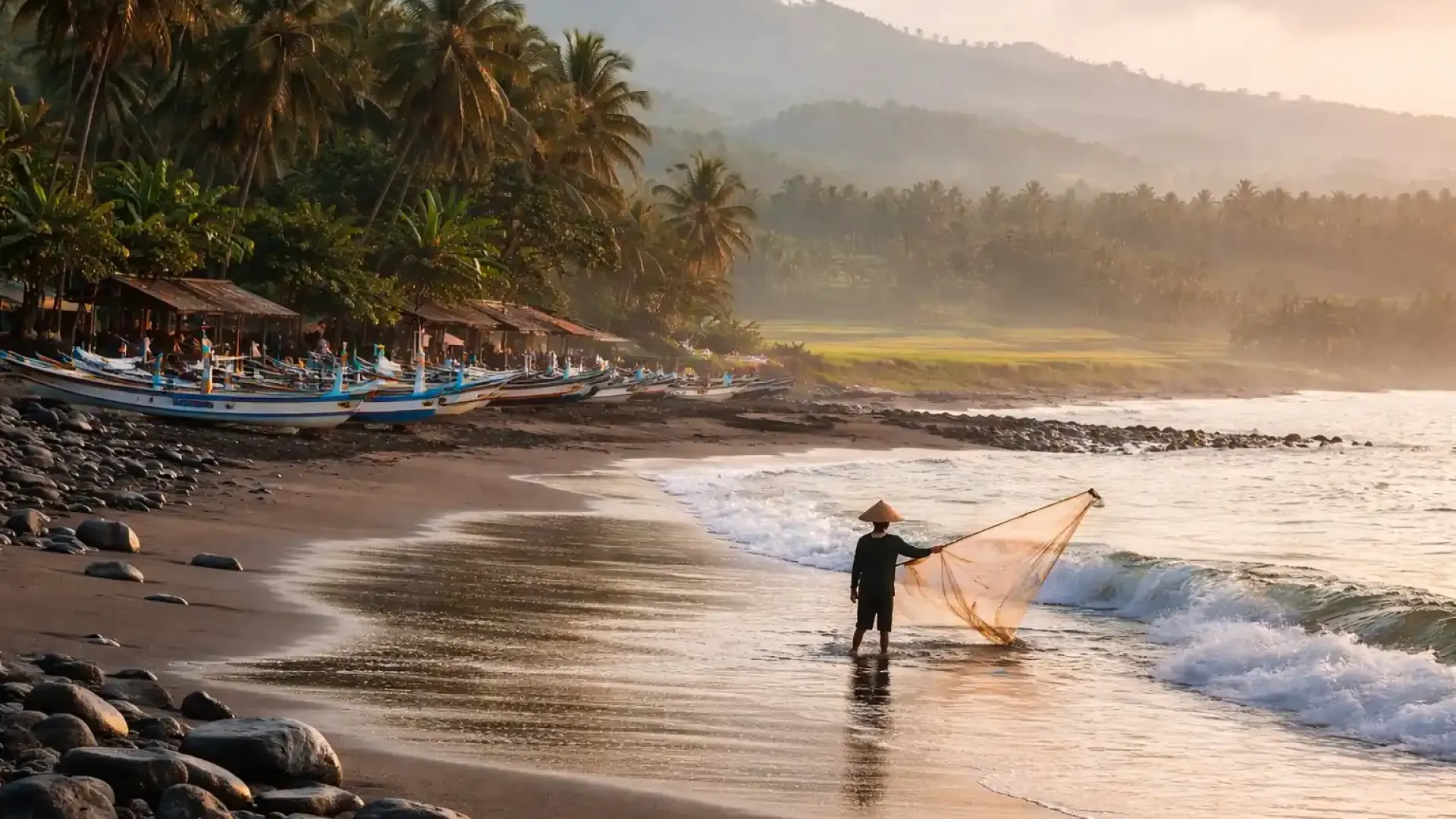
    Here, mornings begin with fishermen walking into the surf and evenings end with sunset walks on dark sand. Surfing fits naturally into village life, not the other way around.

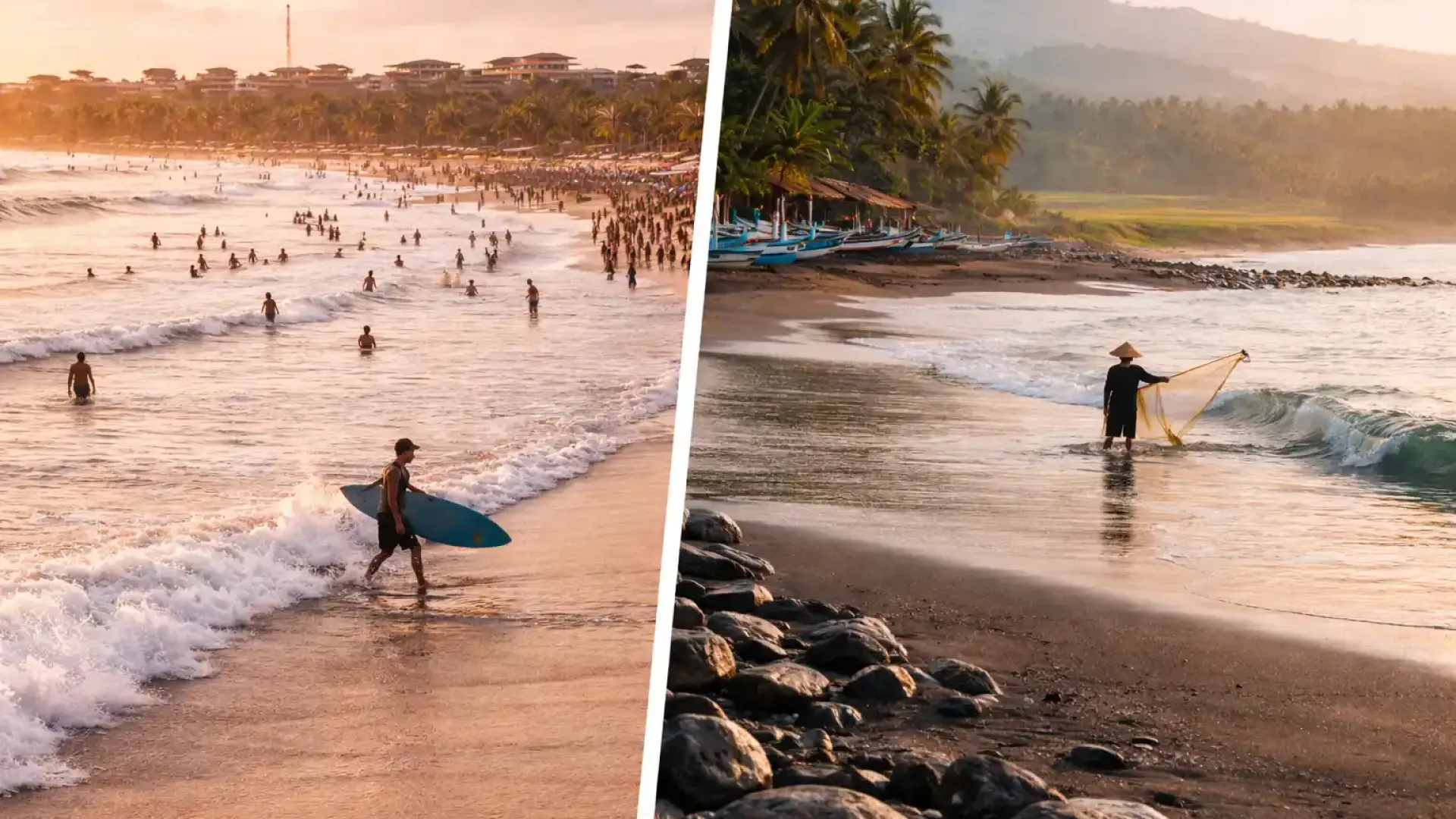
    Kuta: Accessibility and Energy

    Kuta Beach is Bali’s most accessible surf beach. Close to the airport and lined with hotels, restaurants, and surf schools, Kuta is often the first stop for beginners.

    Kuta is known for:

    • Sandy bottom waves suitable for beginners
    • White to yellow sand beaches
    • Easy board rentals and surf lessons
    • Heavy crowds in and out of the water
    • A constant flow of tourists

    Kuta delivers convenience and energy, but rarely solitude.

    Surf Conditions: Medewi vs Kuta

    Waves and Seabed

    The contrast between Medewi vs Kuta becomes clear the moment you paddle out.

    Medewi’s wave breaks over a rocky reef and can run for hundreds of meters on a good day. It rewards patience, technique, and control. Surf booties are recommended, and the lineup tends to attract surfers who respect the wave and each other.

    Kuta’s waves break over sand, making wipeouts more forgiving. This is ideal for beginners, but the trade-off is crowded peaks and frequent drop-ins.

    Crowds and Atmosphere

    If your search intent includes Quiet Surf Spots Bali, Medewi stands apart.

    Medewi feels open and unhurried. You might share the lineup with a handful of surfers, many of whom stay for weeks. Conversations happen naturally, both in the water and at local warungs.

    Kuta, by contrast, is energetic and busy. The beach rarely rests. For some travelers, this buzz is part of the fun. For others, it becomes exhausting quickly.

    Sand, Scenery, and Sense of Place

    Medewi’s black sand beach glistens under the sun, framed by coconut trees, rivers, and rice fields that stretch toward the sea. The landscape feels raw and deeply Balinese.

    Kuta’s sand is lighter, its horizon lined with umbrellas, surf schools, and hotels. The scenery reflects Bali’s tourism boom rather than its agricultural roots.

    This difference defines the experience of Authentic Bali many travelers are searching for.

    Location and How to Get There

    Medewi Beach is located in Pekutatan, within Jembrana.

    From Denpasar or South Bali, Medewi is approximately 75 kilometers away, with a travel time of around 3 hours depending on traffic.

    Practical travel tips:

    • The most comfortable option is hiring a private driver
    • The route follows the main west Bali road toward Gilimanuk
    • Expect a gradual transition from urban Bali to rural landscapes

    The journey itself signals a shift in pace.

    Who Should Choose Medewi Over Kuta?

    This Medewi vs Kuta comparison becomes clear when you define what you want from Bali.

    Medewi is ideal for:

    • Surfers seeking long, technical waves
    • Travelers escaping crowds and noise
    • Visitors interested in village life and slow travel
    • Those searching for a quieter, more authentic side of Bali

    Kuta suits:

    • First-time surfers
    • Short stays and easy access
    • Travelers who enjoy busy social environments

    Final Thoughts: Heading West for a Different Bali

    Kuta shows you Bali’s popularity. Medewi shows you its patience.

    For travelers whose search intent goes beyond convenience, who are looking for Quiet Surf Spots Bali and a deeper sense of Authentic Bali, heading west is not a compromise. It is an upgrade in experience.

    Medewi does not compete with Kuta. It simply offers a different answer to the same question: Why did you come to Bali in the first place?

  • Why Medewi Is the Soul of West Bali

    Why Medewi Is the Soul of West Bali

    There is a moment in Bali when the noise fades. The scooters disappear, the cafés grow silent, and the island exhales. That moment often happens when you arrive at Medewi Beach.

    Medewi Beach is not trying to impress you. It does not compete with beach clubs or curated sunsets. Instead, it offers something far rarer in modern Bali: space, rhythm, and authenticity. For travelers seeking a West Bali hidden gem, Medewi feels like a quiet conversation with the island’s past.

    Located on Bali’s western coast, Medewi Beach invites you to slow down, observe, and stay longer than planned.

    Medewi Beach and the Beauty of Black Sand

    Unlike the white beaches of southern Bali, Medewi Beach is defined by its glistening black sand. In the morning light, the sand sparkles subtly, reflecting the volcanic origins of the island. By late afternoon, it absorbs the warmth of the sun, creating a soft contrast against the blue of the Indian Ocean.

    This Black Sand Beach Bali experience feels grounding. Walking barefoot along the shore, you sense how different West Bali is from the rest of the island. There is no rush here. Only the sound of waves and wind moving through coconut trees.

    A Village That Still Lives With the Sea

    Medewi is not just a beach. It is a living village.

    In the early morning, before most travelers wake up, local fishermen walk toward the shoreline carrying nets and buckets. Watching them search for shrimp as the sky turns pale gold is one of Medewi’s quiet rituals. There are no performances here, only daily life unfolding as it has for generations.

    This strong fishing culture gives Medewi its soul. Small boats rest near the river mouth, and villagers greet each other without urgency. For visitors, observing this rhythm becomes part of the journey.

    Sunset Walks and Unfiltered Evenings

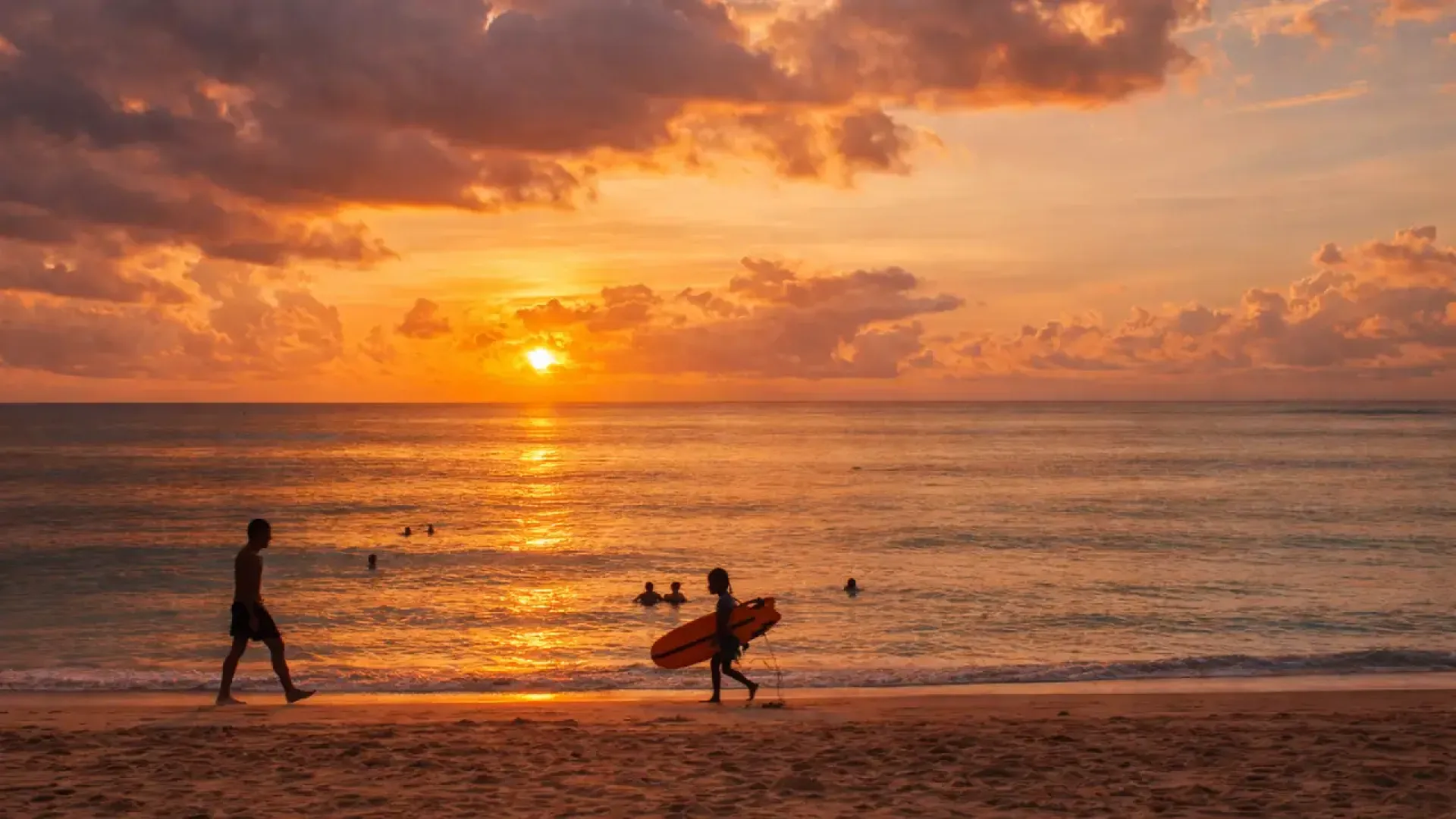
    As the day softens, Medewi Beach transforms again. Sunset here is not dramatic in a loud way. It is slow and spacious.

    Walking along the shoreline at sunset, you see rice fields meeting the sea in the distance. The horizon feels wider, uninterrupted by buildings or crowds. Couples walk quietly, surfers drift back to shore, and the village prepares for evening.

    These moments are what define slow travel in West Bali. No schedules. No pressure to document everything. Just presence.

    Medewi Beach as a Slow Travel Destination

    Medewi Beach rewards travelers who stay still.

    Slow travel here means:

    • Waking up early to watch fishermen at work
    • Spending afternoons reading or photographing village life
    • Taking long sunset walks on black sand
    • Eating at simple local warungs without menus in English

    There is very little to “do” in the conventional sense, and that is exactly the point. Medewi offers rest without distraction, making it a true West Bali hidden gem for those escaping the intensity of South Bali.

    Where Is Medewi Beach Located?

    Medewi Beach is located in Jembrana, on Bali’s western coastline. This region is often overlooked by first-time visitors, which has helped preserve its peaceful character.

    Jembrana feels more agricultural and coastal than touristic. Rice fields stretch toward the sea, and villages remain closely connected to nature and tradition.

    How to Get There

    Medewi Beach is approximately 75 kilometers from Denpasar, and the journey typically takes around 3 hours, depending on traffic.

    The most comfortable way to reach Medewi is by private driver. This allows you to travel at a relaxed pace and enjoy the changing scenery as you move from urban Bali into quieter countryside.

    Travel tips:

    • Depart early to avoid traffic leaving South Bali
    • Stop along the way for coffee or local snacks
    • Enjoy the gradual shift from busy roads to open landscapes

    By the time you arrive, the transition feels complete.

    Why Medewi Beach Stays With You

    Medewi Beach does not overwhelm you with highlights. Instead, it lingers.

    It stays with you in the memory of fishermen walking into the surf at dawn. In the feeling of black sand warming your feet. In sunsets that feel personal rather than staged.

    For travelers seeking a Black Sand Beach Bali experience rooted in calm and culture, Medewi is not just a destination. It is a reminder of what Bali once was, and in some places, still is.

    Medewi is not the loudest voice on the island. But it might be the most honest one.

  • Surfing Medewi Beach: Riding Bali Longest Left on the Island’s Wild West Coast

    Surfing Medewi Beach: Riding Bali Longest Left on the Island’s Wild West Coast

    Surfing Medewi Beach is not about trendy cafés or sunrise yoga. It is about chasing Bali Longest Left, a wave that stretches your ride, your patience, and your skill. Tucked away on Bali’s lesser-known west coast, Medewi is where experienced surfers come when they want rhythm, space, and a real connection with the ocean.

    Located in western Bali, far from the buzz of Canggu and Seminyak, Medewi Beach has earned its reputation quietly. The wave speaks for itself.

    Why Surfing Medewi Beach Is Special

    Bali Longest Left Wave Explained

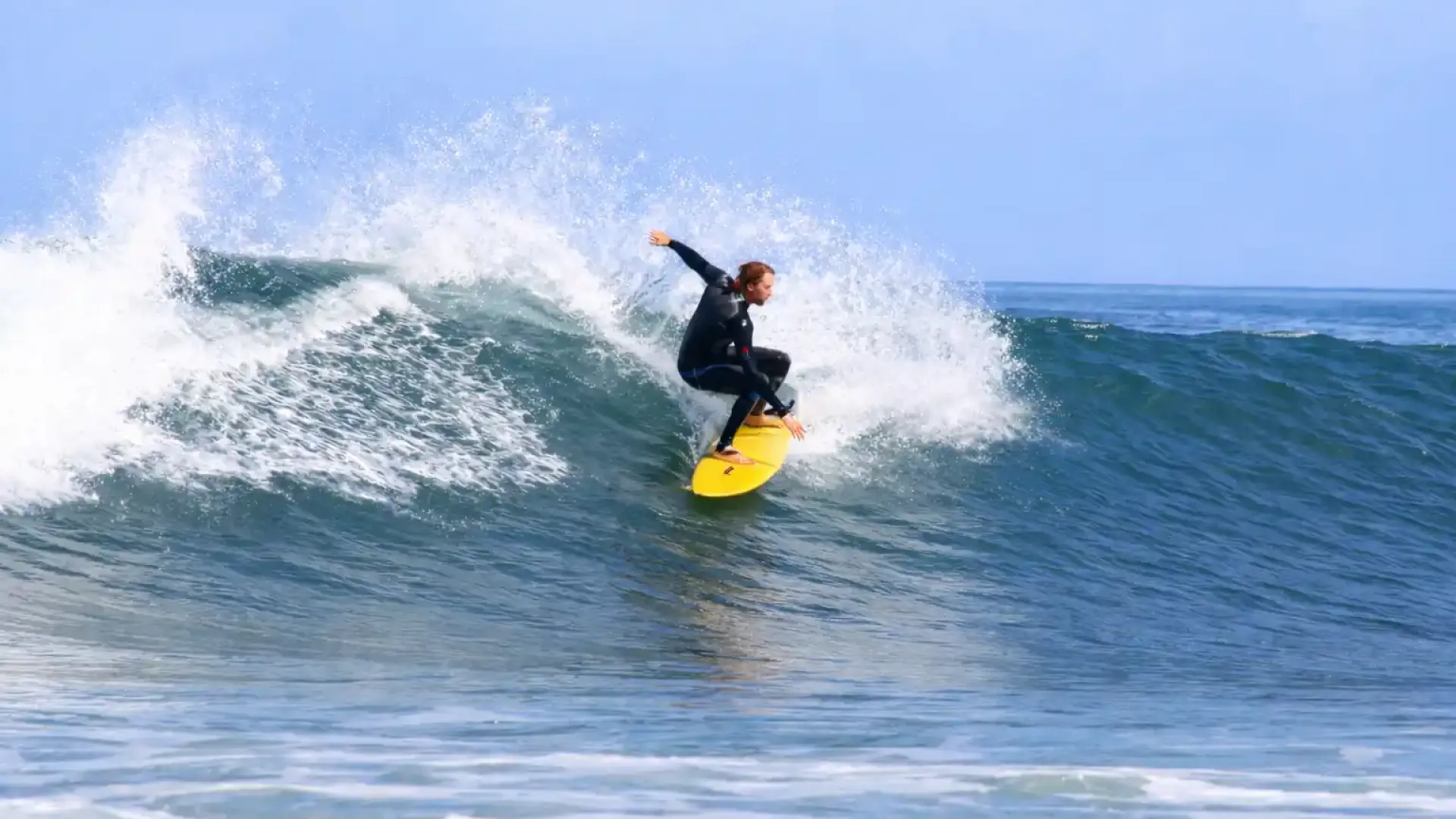
    Medewi is famous for one thing above all else: a long, continuous left-hand wave. On a good day, the ride can stretch 300 to 500 meters, making it one of the longest left-hand waves in Bali.

    This is not a hollow, fast-breaking wave. Medewi’s wave is smoother and more playful, perfect for surfers who enjoy trimming, carving, and linking turns rather than chasing barrels. The wave breaks over a rocky river-mouth reef, peeling patiently along the shoreline.

    For many surfers, Surfing Medewi Beach feels less like a battle and more like a conversation with the sea.

    Who Should Surf Medewi Beach

    Medewi is not beginner-friendly. The rocky bottom and the wave’s length demand control and confidence.

    Medewi is best suited for:

    • Intermediate surfers who can handle reef breaks
    • Advanced surfers looking for long, technical rides
    • Longboarders and mid-length surfers who enjoy flow and style

    If you are still learning how to read waves or manage wipeouts, this beach is better admired from the shore.

    Safety Tips for Surfing Medewi Beach

    Rocky Reef and Booties Are Essential

    The seabed at Medewi is rocky, not sandy. Slippery stones and sharp coral make surf booties highly recommended. Many injuries here happen not during wipeouts, but while walking in and out of the water.

    Key safety tips:

    • Always wear reef booties
    • Enter and exit the water carefully
    • Avoid surfing at very low tide if you are unfamiliar with the spot
    • Watch local surfers before paddling out

    Respecting the reef is part of respecting Medewi itself.

    Understanding the Lineup

    Medewi’s lineup is usually calm and friendly, but etiquette matters. The wave is long, and dropping in can ruin someone’s entire ride. Take your time, observe the takeoff zone, and wait your turn.

    More Than Surfing: Photography and Atmosphere

    A Hidden Gem for Coastal Photography

    Even if you are not surfing, Medewi is a beautiful place to photograph. The coastline curves gently, framed by river stones, palm trees, and distant mountains. Late afternoon light creates dramatic shadows and soft reflections on the water.

    Photographers love:

    • Surfers gliding endlessly on a single wave
    • Golden-hour light over the west coast
    • Quiet village life along the shoreline

    Medewi feels raw and honest, a side of Bali that still breathes slowly.

    Where Is Medewi Beach Located?

    Medewi Beach sits in Jembrana, Bali’s westernmost regency. This region is often skipped by tourists rushing between the airport and the island’s southern hotspots, which is exactly why Medewi remains uncrowded.

    The surrounding area is rural and relaxed, with small homestays, local warungs, and a strong village atmosphere.

    How to Get to Medewi Beach

    Driving from Canggu or Seminyak

    From Canggu or Seminyak, the drive to Medewi takes approximately 3 hours, depending on traffic.

    The most common route follows the Gilimanuk main road, which connects southern Bali to the ferry port in western Bali.

    Travel tips:

    • Start early to avoid city traffic
    • Expect scenic coastal and countryside views
    • Fuel up before leaving urban areas

    Once you arrive, the slower pace of Medewi makes the journey feel worthwhile.

    Best Time for Surfing Medewi Beach

    Medewi works best during the dry season from May to September, when southwest swells light up Bali’s west coast. Morning sessions are usually cleaner, with lighter winds and fewer people in the water.

    Tides play an important role, so checking local surf forecasts is essential.

    Surfing Medewi Beach as an Experience

    Surfing Medewi Beach is not about ticking a box on a Bali checklist. It is about committing to the journey, respecting the reef, and earning every meter of that long left-hand wave.

    This is Bali before hashtags. Bali before shortcuts. Bali where the reward comes only if you paddle for it.

    For surfers chasing Bali Longest Left, Medewi is not just a destination. It is a reminder of why you started surfing in the first place.