Archives: Destinations

  • Besakih Temple Day Trip: The Best Itinerary for Travelers (See More of East Bali)

    Besakih Temple Day Trip: The Best Itinerary for Travelers (See More of East Bali)

    visit to Besakih Temple deserves more than a rushed stop. As the Bali Mother Temple, it sits at the heart of East Bali, surrounded by dramatic landscapes, sacred water palaces, and quiet valleys that many travelers never see. With smart planning, you can experience Besakih deeply and still explore the beauty of the region in one rewarding day.

    This itinerary balances spirituality, scenery, and comfort, ideal for first-time visitors and return travelers alike.

    Why a Day Trip Works Best for Besakih

    Pura Besakih is best experienced slowly, but East Bali distances are manageable when planned well.

    A day trip allows you to:

    • Visit Besakih at the best hours
    • Avoid peak crowds
    • Combine culture with nature
    • Maximize travel time efficiently

    Starting early is the key.

    Morning: Arrive Early at Besakih Temple

    07:30–10:30

    Arrive in the morning when:

    • Air is cool
    • Crowds are minimal
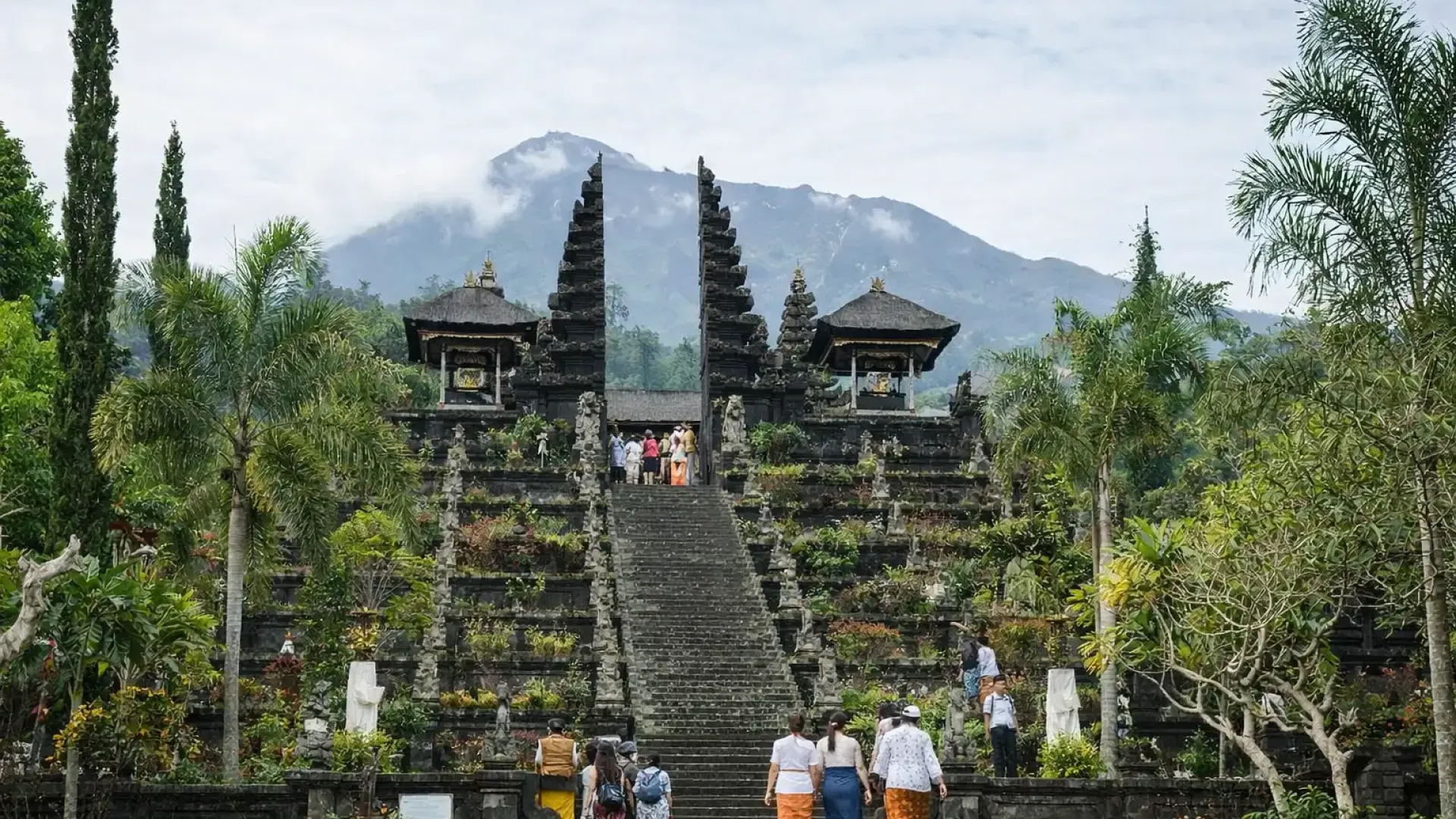
    • Mount Agung is usually visible

    What to do:

    • Use the shuttle or buggy from parking
    • Explore Penataran Agung and side courtyards
    • Take time to observe daily rituals

    Entrance tickets include sarong rental and insurance, making entry smooth and respectful.

    For crowd strategies, see How to Visit Pura Besakih Without the Crowds.

    Midday: Scenic Drive and Lunch in East Bali

    11:00–13:00

    After Besakih, continue downhill toward East Bali.

    Recommended stops:

    • Local restaurant with mountain views
    • Sidemen Valley for rice terraces and calm atmosphere

    This break helps reset after the spiritual intensity of Besakih and prepares you for the afternoon.

    Afternoon Option 1: Tirta Gangga Water Palace

    13:30–14:30

    A perfect cultural complement to Besakih.

    Why visit:

    • Sacred water pools
    • Royal Balinese architecture
    • Relaxed walking paths

    Tirta Gangga offers visual contrast to Besakih’s stone temples and adds depth to your cultural understanding.

    Afternoon Option 2: Sidemen Valley Escape

    13:30–15:00

    If you prefer nature over architecture:

    • Walk among rice fields
    • Enjoy quiet village roads
    • Experience traditional East Bali life

    This option suits travelers seeking calm rather than landmarks.

    Late Afternoon: Return Journey or Sunset Stop

    15:30–17:30

    Options:

    • Scenic drive back toward South Bali
    • Short stop at a viewpoint overlooking Mount Agung
    • Coffee break in a quiet roadside café

    Late afternoon light softens the landscape and closes the day gently.

    What You Need for the Day Trip

    Essentials:

    • Sarong and sash (included at Besakih)
    • Comfortable walking shoes
    • Water and light snacks
    • Cash for lunch and small tips

    Local guides at Besakih can enhance the morning visit. Be polite and clear regarding tipping expectations.

    For dress details, review What to Wear to Besakih Temple.

    How This Itinerary Enhances Your Experience

    This route ensures:

    • Besakih is experienced in its most peaceful state
    • East Bali is seen beyond tourist clichés
    • The day feels balanced, not rushed

    It also respects the spiritual importance of the Bali Mother Temple by giving it priority, not leftovers.

    Conclusion

    A Besakih Temple day trip is more than a visit to one destination. It is a journey through Bali’s spiritual heart and its quieter eastern landscapes. When planned thoughtfully, the experience feels complete, grounded, and memorable.
  • What to Wear to Besakih Temple: Dressing for Bali’s Most Sacred Site (Shop Sarongs Here)

    What to Wear to Besakih Temple: Dressing for Bali’s Most Sacred Site (Shop Sarongs Here)

    Knowing what to wear to Besakih Temple is essential, not optional. As the Bali Mother Temple, Besakih is the most sacred site on the island. Dressing appropriately is a sign of respect, not only toward the temple but toward the Balinese people who worship here daily.

    Many first-time visitors worry about making mistakes. The good news is that Besakih is well prepared for travelers, as long as you understand the basic rules.

    Why Dress Code Matters at Besakih Temple

    Pura Besakih is a living religious complex. People come here to pray, not to perform for cameras.

    Proper attire:

    • Shows respect for sacred space
    • Allows access to temple areas
    • Prevents uncomfortable situations

    Ignoring dress rules can result in restricted access or being asked to change before entering.

    Mandatory Clothing: Sarong and Sash

    Every visitor must wear:

    • Sarong covering legs below the knees
    • Sash (selendang) tied around the waist

    At Besakih, this is easy:

    • Sarong and sash are included in the entrance ticket
    • Clean and properly sized
    • Provided at the entry point

    You may also bring your own if you prefer personal comfort or style.

    What to Wear on Top

    Recommended:

    • T-shirt with sleeves
    • Light blouse or shirt
    • Breathable fabric

    Avoid:

    • Tank tops
    • Crop tops
    • Clothing exposing shoulders or chest

    If you arrive wearing sleeveless clothing, bring a light scarf or outer layer.

    Footwear: Comfort Meets Respect

    Besakih involves walking, stairs, and uneven stone paths.

    Best choices:

    • Comfortable walking shoes
    • Sandals with good grip

    Avoid:

    • High heels
    • Slippery flip-flops

    You will not be required to remove footwear unless entering specific inner areas during ceremonies.

    Dressing During Ceremonies

    If you visit during ceremonial days:

    • Wear more modest colors if possible
    • White or neutral tones are ideal
    • Avoid overly bright or flashy outfits

    For ceremony timing and meaning, see The Most Sacred Ceremonies at Pura Besakih.

    What Not to Wear (Common Mistakes)

    Avoid these at all costs:

    • Short skirts or shorts
    • Sheer or see-through clothing
    • Clothing with offensive symbols or text

    Even if sarongs are provided, inappropriate clothing underneath can still be considered disrespectful.

    Weather and Practical Tips

    Besakih is located on the slopes of Mount Agung, meaning weather can change quickly.

    Bring:

    • Light jacket or shawl in the morning
    • Sun protection for midday
    • Water bottle

    The shuttle and buggy services help reduce long walks in heat.

    Can You Take Photos in Temple Attire?

    Yes, respectfully.

    Tips:

    • Avoid posing on shrines
    • Do not block prayer paths
    • Step aside during rituals

    For photography inspiration, read Top 10 Instagrammable Spots at Pura Besakih.

    Shopping Sarongs Before or On Site

    Options:

    • Use the included sarong
    • Bring your own from Bali markets
    • Purchase quality sarongs in advance for comfort and reuse

    A well-fitted sarong makes walking and sitting more comfortable throughout the visit.

    Conclusion

    Dressing properly at Besakih Temple is a simple way to show deep respect. When you dress right, access feels natural, interactions are warmer, and the experience becomes smoother and more meaningful.

  • The Most Sacred Ceremonies at Pura Besakih: A Cultural Guide (Experience It Live)

    The Most Sacred Ceremonies at Pura Besakih: A Cultural Guide (Experience It Live)

    To understand Besakih Temple, you must understand its ceremonies. As the Bali Mother Temple, Besakih is not only a place of prayer but the ceremonial heart of the island. Rituals held here are not symbolic performances for visitors. They are living expressions of devotion that connect communities, ancestors, and the gods.

    For travelers, witnessing these ceremonies offers a rare and meaningful glimpse into Bali’s spiritual rhythm.

    Why Ceremonies at Besakih Are Different

    Pura Besakih hosts ceremonies that affect the entire island.

    What makes them unique:

    • Participation from villages across Bali
    • Scale far larger than local temples
    • Alignment with Mount Agung and sacred calendars

    Ceremonies here are considered spiritually central, not regional.

    Odalan: Temple Anniversary Ceremony

    The most important and frequent ceremony is Odalan, celebrating the temple’s anniversary based on the Balinese Pawukon calendar.

    What you will see:

    • Processions of devotees in white
    • Towering offerings carried uphill
    • Gamelan music and chanting

    Odalan at Besakih can last several days and transforms the entire complex into a living ritual landscape.

    Eka Dasa Rudra: The Grand Purification Ceremony

    This is one of the rarest and most powerful ceremonies held at Besakih.

    Meaning:

    • Island-wide purification
    • Restoration of cosmic balance
    • Performed only during spiritually significant periods

    Thousands of devotees attend, and preparations can take months. Even witnessing a small part of this ceremony is considered deeply auspicious.

    Daily Rituals You Might Encounter

    Not all ceremonies are grand. Many are quiet and personal.

    Common sights:

    • Families offering flowers and incense
    • Priests blessing individuals
    • Small prayer groups at side temples

    These moments often leave the strongest impression because they happen naturally and without spectacle.

    The Role of Mount Agung in Ceremonies

    Ceremonies at Besakih are inseparable from Mount Agung.

    You will notice:

    • Temples oriented toward the mountain
    • Prayers directed uphill
    • Offerings aligned with its presence

    Mount Agung is believed to amplify the spiritual energy of every ritual performed here.

    Can Travelers Watch the Ceremonies?

    Yes, respectfully.

    Guidelines for visitors:

    • Wear proper attire with sarong and sash
    • Observe from designated areas
    • Do not step in front of praying devotees
    • Avoid flash photography

    If unsure, ask temple staff or guides before moving closer.

    For dress guidance, see Article #9: What to Wear to Besakih Temple.

    Best Time to Witness Ceremonies

    Ceremonies often occur:

    • Early morning
    • Late afternoon
    • On auspicious calendar days

    Arriving early also helps avoid crowds. For planning, refer to How to Visit Pura Besakih Without the Crowds.

    What You Need When Visiting During Ceremonies

    • Sarong and sash (included in entrance ticket)
    • Extra patience and time
    • Willingness to observe quietly

    Facilities like shuttle buses help manage the increased number of visitors during ceremonial days.

    Why These Ceremonies Matter to Bali

    These rituals are not traditions kept alive for tourism. They are how Bali maintains balance between humans, nature, and the divine. Seeing them helps travelers understand why temples are treated with such reverence.

    Conclusion

    Witnessing ceremonies at Besakih Temple is not about watching an event. It is about being present in a sacred moment that has shaped Bali for centuries.

  • How to Visit Pura Besakih Without the Crowds (Read Our Secret Tips)

    How to Visit Pura Besakih Without the Crowds (Read Our Secret Tips)

    visit to Besakih Temple deserves more than a rushed stop. As the Bali Mother Temple, it sits at the heart of East Bali, surrounded by dramatic landscapes, sacred water palaces, and quiet valleys that many travelers never see. With smart planning, you can experience Besakih deeply and still explore the beauty of the region in one rewarding day.

    This itinerary balances spirituality, scenery, and comfort, ideal for first-time visitors and return travelers alike.

    Why a Day Trip Works Best for Besakih

    Pura Besakih is best experienced slowly, but East Bali distances are manageable when planned well.

    A day trip allows you to:

    • Visit Besakih at the best hours
    • Avoid peak crowds
    • Combine culture with nature
    • Maximize travel time efficiently

    Starting early is the key.

    Morning: Arrive Early at Besakih Temple

    07:30–10:30

    Arrive in the morning when:

    • Air is cool
    • Crowds are minimal
    • Mount Agung is usually visible

    What to do:

    • Use the shuttle or buggy from parking
    • Explore Penataran Agung and side courtyards
    • Take time to observe daily rituals

    Entrance tickets include sarong rental and insurance, making entry smooth and respectful.

    For crowd strategies, see How to Visit Pura Besakih Without the Crowds.

    Midday: Scenic Drive and Lunch in East Bali

    11:00–13:00

    After Besakih, continue downhill toward East Bali.

    Recommended stops:

    • Local restaurant with mountain views
    • Sidemen Valley for rice terraces and calm atmosphere

    This break helps reset after the spiritual intensity of Besakih and prepares you for the afternoon.

    Afternoon Option 1: Tirta Gangga Water Palace

    13:30–14:30

    A perfect cultural complement to Besakih.

    Why visit:

    • Sacred water pools
    • Royal Balinese architecture
    • Relaxed walking paths

    Tirta Gangga offers visual contrast to Besakih’s stone temples and adds depth to your cultural understanding.

    Afternoon Option 2: Sidemen Valley Escape

    13:30–15:00

    If you prefer nature over architecture:

    • Walk among rice fields
    • Enjoy quiet village roads
    • Experience traditional East Bali life

    This option suits travelers seeking calm rather than landmarks.

    Late Afternoon: Return Journey or Sunset Stop

    15:30–17:30

    Options:

    • Scenic drive back toward South Bali
    • Short stop at a viewpoint overlooking Mount Agung
    • Coffee break in a quiet roadside café

    Late afternoon light softens the landscape and closes the day gently.

    What You Need for the Day Trip

    Essentials:

    • Sarong and sash (included at Besakih)
    • Comfortable walking shoes
    • Water and light snacks
    • Cash for lunch and small tips

    Local guides at Besakih can enhance the morning visit. Be polite and clear regarding tipping expectations.

    For dress details, review What to Wear to Besakih Temple.

    How This Itinerary Enhances Your Experience

    This route ensures:

    • Besakih is experienced in its most peaceful state
    • East Bali is seen beyond tourist clichés
    • The day feels balanced, not rushed

    It also respects the spiritual importance of the Bali Mother Temple by giving it priority, not leftovers.

    Conclusion

    A Besakih Temple day trip is more than a visit to one destination. It is a journey through Bali’s spiritual heart and its quieter eastern landscapes. When planned thoughtfully, the experience feels complete, grounded, and memorable.

  • Unveiling the History of Mount Agung’s Sacred Besakih Temple (Join the Journey)

    Unveiling the History of Mount Agung’s Sacred Besakih Temple (Join the Journey)

    Long before Bali became a global travel destination, Besakih Temple already stood as the island’s spiritual anchor. Known as the Bali Mother Temple, Besakih is not a single monument frozen in time, but a living chronicle of Balinese faith shaped by centuries of belief, ritual, and resilience.

    To walk through Besakih is to walk through Bali’s history itself.

    The Ancient Origins of Besakih Temple

    Pura Besakih is believed to predate most Hindu temples in Bali. Archaeological and spiritual records suggest the site was already sacred long before Hinduism arrived from Java and India.

    Early communities worshipped here because:

    • The location aligned with natural spiritual forces
    • The mountain was seen as divine
    • High ground symbolized closeness to the gods

    When Hindu influence arrived, Besakih evolved rather than disappeared, absorbing new philosophy while preserving local reverence.

    Mount Agung: The Sacred Backbone of Bali

    Everything about Besakih is inseparable from Mount Agung.

    In Balinese cosmology:

    • Mount Agung represents Mount Meru, the center of the universe
    • Gods and ancestors are believed to reside here
    • Temples orient themselves toward the mountain

    This is why Besakih sits precisely on its slopes. The mountain is not a backdrop. It is the spiritual source.

    Evolution Through Kingdoms and Dynasties

    As Balinese kingdoms rose and fell, Besakih expanded.

    Key historical phases include:

    • Early megalithic worship
    • Hindu-Javanese influence during Majapahit era
    • Expansion of temple compounds and shrines
    • Establishment of Penataran Agung as the central temple

    Rather than being rebuilt as a single structure, Besakih grew organically, resulting in today’s vast complex of more than 80 temples.

    Surviving Eruptions and Natural Disasters

    One of Besakih’s most remarkable historical moments came during Mount Agung’s major eruption in 1963.

    • Lava flows narrowly missed the main temple
    • The event was seen as spiritual protection
    • Besakih became a symbol of divine balance

    For many Balinese, this reinforced the belief that Besakih is not just sacred by tradition, but by lived experience.

    A Temple That Lives With Its People

    Unlike historical monuments elsewhere, Besakih never stopped functioning.

    Today:

    • Ceremonies follow ancient calendars
    • Families return for generational rituals
    • Temples are renewed, not replaced

    This continuity is what keeps Besakih relevant. It adapts without losing its soul.

    To understand current rituals, explore The Most Sacred Ceremonies at Pura Besakih.

    Visiting with Historical Awareness

    Knowing the history changes how you experience the site.

    You begin to notice:

    • Why temples are layered
    • Why certain areas are restricted
    • Why silence is respected

    Modern facilities like shuttle buses and sarong-inclusive tickets help visitors move respectfully without disturbing this historical flow.

    What You Need for a Meaningful Visit

    • Sarong and sash (included in ticket)
    • Willingness to walk and observe
    • Respect for ceremonies and signs

    Local guides can connect historical facts with living traditions. Be clear and polite regarding tips.

    For practical planning, see Complete Breakdown of Besakih Temple Entrance Fees & Facilities.

    Conclusion

    Besakih Temple is not important because it is old. It is important because it has never stopped being relevant. Its history is still unfolding, carried by prayer, ritual, and belief beneath Mount Agung.

  • Why Pura Besakih Is the Spiritual Heart of Bali

    Why Pura Besakih Is the Spiritual Heart of Bali

    Besakih Temple is not famous because of its size alone. It is revered because it represents the spiritual backbone of Bali. Known as the Bali Mother Temple, Besakih is where the island’s beliefs, rituals, and cosmic balance converge.

    For travelers seeking more than beaches and cafés, understanding why Besakih holds this status transforms a simple visit into a deeply meaningful journey.

    The Meaning of Bali’s Mother Temple

    Pura Besakih is called the Mother Temple because every major temple in Bali is spiritually linked to it.

    In Balinese Hindu belief:

    • Mount Agung is the axis of the universe
    • Besakih sits at its sacred foothills
    • All temples align symbolically toward this point

    This makes Besakih the ultimate reference point for spiritual orientation across the island.

    Mount Agung and the Sacred Axis

    The presence of Mount Agung is not coincidental. Mount Agung is considered the dwelling place of the gods and ancestors.

    When you stand in the main courtyard:

    • Temples face the mountain in reverence
    • Ceremonies align with its direction
    • The landscape itself becomes part of worship

    This is why many Balinese say praying at Besakih feels different. The energy is heavier, calmer, and more profound.

    A Living Temple, Not a Museum

    Besakih is not preserved for tourists. It functions daily for prayer, ceremonies, and large-scale religious events.

    What you may witness:

    • Families carrying offerings
    • Priests leading purification rituals
    • Community-wide ceremonies tied to the Balinese calendar

    If you want to understand these rituals better, explore The Most Sacred Ceremonies at Pura Besakih.

    Atmosphere You Can Feel

    Visitors often describe Besakih as:

    • Quiet yet powerful
    • Vast but intimate
    • Humbling rather than overwhelming

    The sound of wind, chanting, and incense replaces the noise common in southern Bali. This is one reason many travelers find Besakih emotionally grounding.

    Best Time to Experience the Spiritual Side

    To truly feel the spiritual atmosphere, timing matters.

    Best moments:

    • Early morning between 08:00 and 10:00
    • Weekdays outside major holidays
    • Ceremony days if you are respectful and observant

    Avoid rushing. Besakih reveals itself slowly.

    For crowd-avoidance strategies, see How to Visit Pura Besakih Without the Crowds.

    What You Need for a Respectful Visit

    Essentials:

    • Sarong and sash (included in entrance ticket)
    • Modest clothing underneath
    • Comfortable shoes for walking

    Facilities now include shuttle buses and buggy services from the parking area, making access easier without disturbing the sacred environment.

    Local guides can enrich your visit with stories and symbolism. Be polite but firm about tipping expectations.

    Why This Matters for Travelers

    Understanding Besakih’s spiritual role helps you:

    • Respect sacred boundaries
    • Appreciate ceremonies without intrusion
    • Experience Bali beyond surface-level tourism

    This perspective also shapes how you photograph, walk, and interact within the temple.

  • Besakih Temple vs. Lempuyang: Which One Should You Visit First?

    Besakih Temple vs. Lempuyang: Which One Should You Visit First?

    Many travelers visiting East Bali face the same question: Besakih Temple or Lempuyang Temple first? Both are iconic, spiritual, and visually stunning. Both sit high on sacred land with Mount Agung as their silent witness. Yet, the experiences they offer are fundamentally different.

    If you only have time for one, or want to plan the perfect order, this comparison will help you decide based on meaning, atmosphere, crowds, and travel flow.

    Spiritual Role: Mother Temple vs Sacred Gateway

    Pura Besakih is the spiritual center of Bali. It represents the highest level of religious hierarchy on the island.

    Besakih is where:

    • Major island-wide ceremonies take place
    • Temples across Bali are spiritually connected
    • Prayer focuses on balance between gods, humans, and nature

    Lempuyang Temple, on the other hand, is one of Bali’s oldest temples and part of the Sad Kahyangan Jagad, the six holiest temples of the island. It is best known today as a spiritual gateway, symbolizing the path between the human world and the divine.

    If your goal is understanding Bali’s belief system deeply, Besakih comes first.

    Landscape and Views

    Both temples offer dramatic scenery, but in different ways.

    At Besakih:

    • Wide terraced complexes
    • Panoramic views of Mount Agung
    • A sense of vast sacred space

    At Lempuyang:

    • Steep staircases through forest
    • Framed mountain views at the Gates of Heaven
    • Intimate, vertical journey

    Besakih feels expansive and grounding. Lempuyang feels focused and symbolic.

    Crowds and Visitor Flow

    This is often the deciding factor.

    Lempuyang:

    • Long queues, especially for photos
    • Waiting time can exceed 2 hours
    • Experience is short but intense

    Besakih:

    • Larger area disperses crowds
    • New shuttle and buggy system improves flow
    • Easier to find quiet corners

    If you prefer space and calm, start with Besakih. If you are chasing a specific iconic photo, Lempuyang may be your priority.

    For crowd strategies, see How to Visit Pura Besakih Without the Crowds.

    Physical Effort and Accessibility

    Besakih Temple:

    • Moderate walking
    • Shuttle buses from parking
    • Suitable for most age groups

    Lempuyang Temple:

    • Significant stair climbing
    • Requires physical stamina
    • Less suitable for limited mobility

    For travelers with limited time or energy, Besakih offers a richer experience with less strain.

    Photography Experience

    Lempuyang is famous for one shot. Besakih offers many stories.

    At Besakih:

    • Architecture, rituals, landscapes
    • Candid spiritual moments
    • Less repetitive imagery

    At Lempuyang:

    • Iconic gate reflection shot
    • Highly controlled photo system
    • Limited creative freedom

    If photography matters to you, read Top 10 Instagrammable Spots at Pura Besakih.

    Costs and Facilities

    Besakih entrance tickets include:

    • Sarong rental
    • Insurance
    • Organized facilities and transport

    Lempuyang typically involves:

    • Smaller fees
    • Donations
    • Longer waiting time costs

    For a full breakdown, visit A Complete Breakdown of Besakih Temple Entrance Fees & Facilities.

    The Ideal Order: What Locals Recommend

    From a local perspective, the ideal order is:

    1. Besakih Temple first
    2. Understand Bali’s spiritual foundation
    3. Lempuyang Temple second
    4. Experience the symbolic journey upward

    This sequence mirrors how Balinese philosophy moves from cosmic balance to personal devotion.

    Conclusion

    Besakih and Lempuyang are not rivals. They complement each other. But if you must choose, start where Bali itself begins.

  • Top 10 Instagrammable Spots at Pura Besakih Temple You Can’t Miss (Get the Perfect Shot!)

    Top 10 Instagrammable Spots at Pura Besakih Temple You Can’t Miss (Get the Perfect Shot!)

    Besakih Temple is more than Bali’s most sacred site. It is also one of the most visually dramatic temple complexes on the island. With Mount Agung rising majestically behind layered shrines, ancient staircases, and stone gates, the Bali Mother Temple offers photo opportunities that feel cinematic rather than staged.

    As a Balinese local, I often tell travelers this: Besakih photographs best when you slow down. The beauty here is not just symmetry, but scale, silence, and sacred space.

    This guide highlights the top 10 Instagrammable spots at Pura Besakih, plus tips on timing, angles, and respectful photography.

    1. The Main Split Gate with Mount Agung

    This is the iconic shot everyone dreams of.

    • Best taken in the morning when Mount Agung is clear
    • Stand slightly off-center for depth
    • Use wide-angle for dramatic scale

    📍 Near the upper temple complex

    👉 For spiritual context, read Why Pura Besakih is the Spiritual Heart of Bali

    2. Panoramic View from the Upper Courtyard

    From higher terraces, Besakih opens into vast stone courtyards with layered temples stretching downward.

    • Ideal for drone-style composition (without flying drones)
    • Showcases the full scale of the complex
    • Early morning mist adds atmosphere

    3. The Long Sacred Staircase

    The stone staircases leading upward symbolize spiritual ascent.

    • Shoot from below for leading lines
    • Include people in sarongs for scale
    • Late afternoon light works best

    4. Penataran Agung Temple Axis

    The main axis of Pura Besakih creates natural symmetry.

    • Perfect for minimalist compositions
    • Vertical shots work best here
    • Keep people minimal to preserve sacred mood

    5. Side Gates and Stone Guardians

    Often overlooked, side gates offer quieter, more intimate frames.

    • Ideal if main areas are crowded
    • Focus on textures and carvings
    • Black-and-white edits work beautifully

    👉 Want fewer people in your shots? See How to Visit Pura Besakih Without the Crowds

    6. Mount Agung Framed Between Shrines

    This is a photographer’s favorite moment.

    • Wait for clouds to part
    • Use temple roofs to frame the volcano
    • Golden hour creates soft contrast

    📍 Look for natural gaps between temples

    ⛰️ Featuring Mount Agung

    7. Ceremonial Moments (From a Distance)

    Balinese ceremonies add life and meaning to photos.

    • Capture movement, not faces
    • Respect boundaries
    • Never interrupt rituals

    👉 For deeper cultural insight, read The Most Sacred Ceremonies at Pura Besakih

    8. Sarong Details & Textures

    Sometimes the story is in the details.

    • Offerings on stone steps
    • Flowing sarongs against dark stone
    • Incense smoke drifting through light

    These shots feel authentic and timeless.

    9. Sunset Silhouettes

    Late afternoon brings dramatic contrast.

    • Temple silhouettes against the sky
    • Mount Agung fading into shadow
    • Ideal for moody, editorial edits

    👉 Pair this with itinerary planning in Besakih Temple Day Trip Guide

    10. Wide Landscape from the Outer Temple Area

    Before leaving, turn around.

    • Capture the entire complex from afar
    • Show its relationship with the mountain
    • Best for storytelling captions

    This shot reminds viewers that Besakih is not a single temple, but a spiritual landscape.

    Best Time for Photography at Besakih Temple

    Best hours:

    • 08:00–10:00 AM (clear skies, fewer crowds)
    • 16:00–17:30 PM (soft light, fewer tour buses)

    Avoid midday harsh sunlight unless shooting architecture details.

    What You Need for a Photo-Friendly Visit

    • Sarong and sash (included with ticket)
    • Comfortable shoes for stairs
    • Water and sun protection
    • Polite firmness with local guides regarding tips

    Facilities like shuttle buses and buggies make carrying gear easier, especially from the parking area.

    Conclusion: Beauty with Respect

    Besakih Temple rewards photographers who approach with patience and respect. The most powerful images here are not rushed snapshots, but moments where architecture, mountain, and belief align naturally.

  • Besakih Temple: The Ultimate Guide to Bali’s Mother Temple

    Besakih Temple: The Ultimate Guide to Bali’s Mother Temple

    Besakih Temple is not just another landmark in Bali. It is the spiritual axis of the island, known worldwide as the Bali Mother Temple. Nestled on the slopes of Mount Agung, this sacred complex is where Balinese Hinduism breathes, prays, and celebrates life.

    As someone born and raised in Bali, I still remember my first visit here as a child, walking behind elders in ceremonial white, feeling small beneath towering shrines and the looming presence of Mount Agung. For travelers, visiting Besakih Temple is not about ticking a box, but about understanding Bali at its core.

    If this is your first time, this guide will help you experience Besakih Temple respectfully, comfortably, and meaningfully.

    Why Besakih Temple Is So Special

    Pura Besakih is the largest and holiest temple complex in Bali, consisting of more than 80 individual temples spread across terraced hillsides.

    What makes it unique:

    • It is considered the mother temple of all Balinese temples
    • Every major Balinese ceremony is spiritually connected to Besakih
    • It sits directly below Mount Agung, Bali’s most sacred mountain
    • The architecture reflects centuries of Balinese spiritual philosophy

    Standing here, you don’t just see temples, you feel layers of history, devotion, and ritual.

    Atmosphere & Experience

    Expect a mix of serenity and grandeur.

    • Morning: Misty, cool, and deeply peaceful
    • Midday: Clear views of Mount Agung and ceremonial activity
    • Afternoon: Softer light, fewer large tour groups

    On ceremony days, the temple becomes alive with offerings, incense, and traditional attire. On quieter days, the vastness of the complex reminds you how small we are in the presence of belief.

    Entrance Fees & Facilities (What Visitors Love)

    One of the biggest improvements in recent years is visitor comfort.

    What’s Included in Your Ticket

    • Entrance fee (includes sarong rental)
    • Insurance coverage
    • Access to the main temple zones

    New Facilities You’ll Appreciate

    • Shuttle bus / buggy service from parking area
    • Clean restrooms
    • Organized pathways reducing chaotic walking

    Best Time to Visit Besakih Temple

    • Best Months: April – October (dry season)
    • Best Days: Weekdays
    • Best Time of Day:
    • 08:00–10:00 AM for calm atmosphere
    • After 15:30 for softer crowds and light

    Avoid national holidays and major Balinese holy days unless you specifically want to witness ceremonies.

    👉 To avoid crowds completely, read our insider tips in How to Visit Pura Besakih Without the Crowds.

    What You Need Before You Go

    Essentials Checklist

    • Sarong & sash (included, but bring your own if preferred)
    • Comfortable walking shoes
    • Water & sun protection
    • Cash for donations or local guide tips

    About Local Guides

    Local guides at Besakih are knowledgeable and often very insightful about rituals and temple hierarchy.

    Tips for travelers:

    • Be clear if you want a guide or not
    • Agree on tipping politely but firmly
    • A short guided walk can greatly enrich your visit

    How Long Should You Spend Here?

    • Quick visit: 1.5–2 hours
    • In-depth experience: Half day
    • Combined trip: Besakih + East Bali highlights

    Respectful Dress & Behavior

    Besakih is not a photo park, it is a living temple.

    • Cover shoulders and knees
    • Follow restricted area signs
    • Do not climb shrines
    • Be respectful during ceremonies

    👉 Unsure what to wear? Read What to Wear to Besakih Temple.

    Conclusion: Why You Should Visit Besakih Temple

    Visiting Besakih Temple is not about seeing Bali. It is about understanding Bali.

    Here, the island’s spirituality, history, and identity converge under the shadow of Mount Agung. Whether you come for culture, photography, or personal reflection, Besakih leaves a quiet but lasting imprint.

  • An Honest Review of Tirta Empul Temple

    An Honest Review of Tirta Empul Temple

    Crowds, Exit Markets, and What First-Time Visitors Should Really Expect

    Before visiting Tirta Empul Temple, many travelers imagine a quiet sanctuary hidden in the jungle. What they often encounter instead is a place that balances deep spirituality with the realities of modern tourism. Both experiences are true, and understanding this duality is the key to enjoying Tirta Empul without frustration.

    This article offers an honest review, not to discourage, but to prepare. Because when expectations meet reality, the experience becomes richer, calmer, and far more meaningful.

    The Reality of Crowds at Tirta Empul Temple

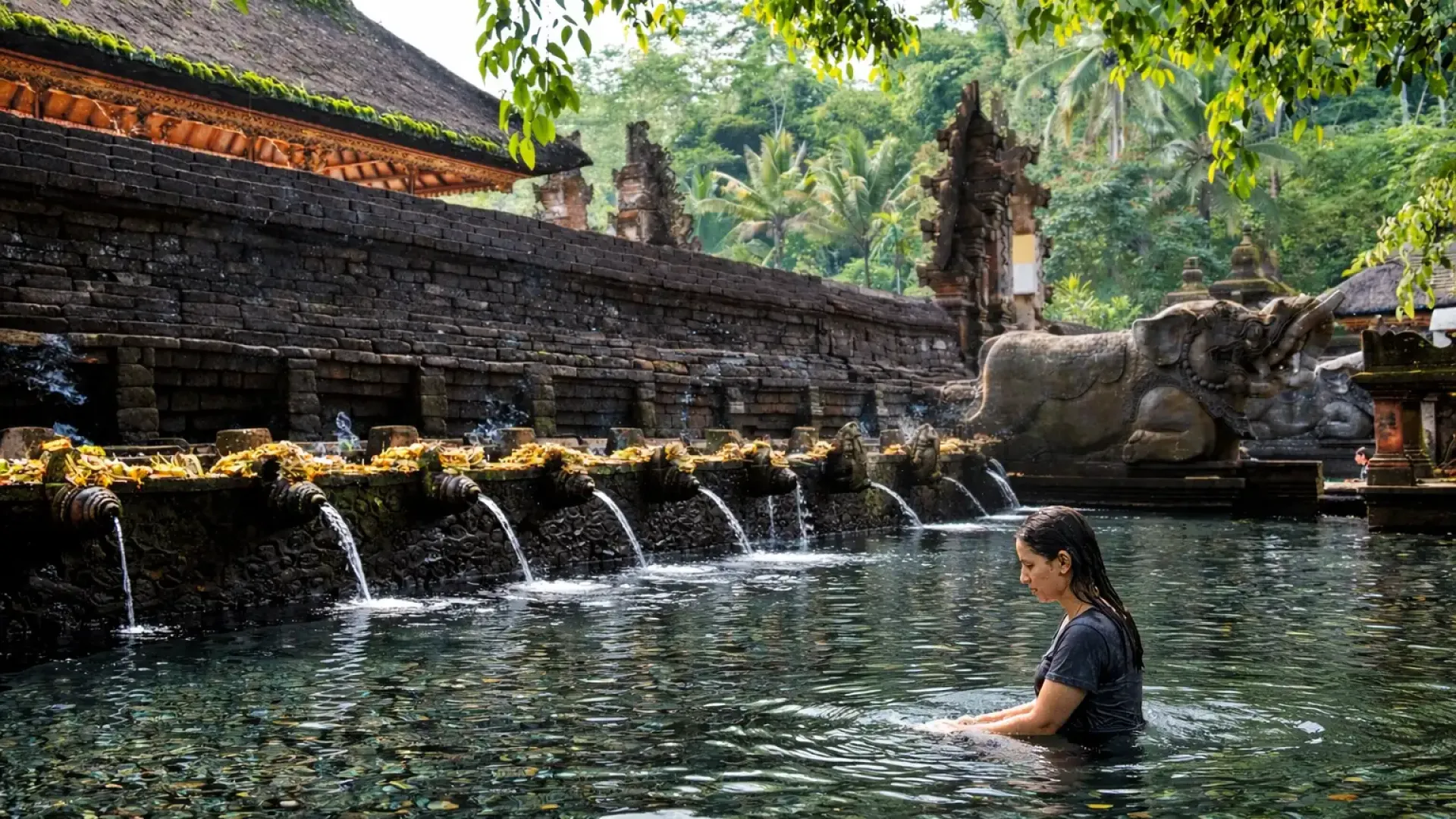
    Tirta Empul is one of Bali’s most visited spiritual sites, and crowds are part of that reality. Large tour groups often arrive mid-morning, filling the purification pools and walkways with movement and conversation. For some visitors, this contrasts sharply with the serene images they saw online.

    Crowds do not automatically remove the sacredness, but they change the texture of the experience. The key is recognizing that Tirta Empul is not a hidden temple anymore. It is a living spiritual site shared by locals and visitors from around the world.

    Those who arrive expecting solitude often feel disappointed. Those who arrive expecting participation often feel fulfilled.

    Why Tirta Empul Still Works Spiritually

    Despite the number of visitors, rituals at Tirta Empul have not become performative. Locals still pray with focus. Offerings are still placed daily. The water still flows uninterrupted.

    Spiritual experiences here come from inward focus, not external silence. Many visitors report that once they step into the water during melukat, the surrounding noise fades. The ritual creates its own boundary.

    Understanding this helps reframe the experience. Tirta Empul is not about escaping people, but about finding stillness among them.

    The Exit Market: Why It Feels Jarring

    One of the most common complaints in visitor reviews is the long market corridor at the exit. After a reflective ritual, being funneled through rows of souvenir stalls can feel abrupt, even commercial.

    This market exists for a reason. It supports local livelihoods in Tampaksiring, and for many families, it is an essential source of income. What feels like a tourist trap to some is daily sustenance to others.

    The discomfort usually comes from the sudden shift in atmosphere, not the market itself.

    How to Walk Through the Market Without Stress

    The exit market is unavoidable, but stress is optional. Walk calmly. Avoid eye contact if you are not interested. A polite smile and a gentle “no, thank you” is enough.

    Do not feel pressured to buy anything. Prices are often negotiable, but you are under no obligation. Treat the walk as a transition back into the everyday world rather than an intrusion.

    For some visitors, reframing the market as part of the cultural ecosystem changes everything.

    Managing Expectations Before You Arrive

    The most satisfied visitors are not those who had the quietest visit, but those who were mentally prepared. Knowing there will be crowds, knowing there will be a market, and knowing that spirituality here is shared, not staged, allows you to relax.

    Tirta Empul rewards patience and openness. If your goal is a pristine, untouched temple, you may leave disappointed. If your goal is a real, living cultural experience, you will likely leave grateful.

    Expectation management is the difference between frustration and acceptance.

    Who Will Love Tirta Empul and Who Might Not

    Tirta Empul is ideal for travelers interested in culture, spirituality, and ritual. Those who enjoy observing daily life and participating respectfully will find value here.

    It may not suit travelers seeking isolation, silence, or purely aesthetic photography. There are quieter temples in Bali for that purpose.

    Honesty about personal travel style helps determine whether Tirta Empul belongs on your itinerary.

    A Balanced Experience, Not a Perfect One

    Tirta Empul Temple is not flawless, and it does not try to be. It is sacred and busy, profound and practical, ancient and modern all at once.

    Its power lies not in perfection, but in authenticity. When you accept the crowds, walk through the market with grace, and focus on your own intention, Tirta Empul delivers something rare in tourism: a genuine encounter with living tradition.

    Leave room for imperfection, and the experience will meet you halfway.